 How-to
North Texas Gardening Zone: A Local Guide to Planting
Last Updated: November 22, 2026
Quick Summary
Most of the north texas gardening zone falls in USDA zones 7b and 8a, with pockets of 7a on the northern edge and 8b in warmer urban spots. Zone labels only measure average annual extreme minimum temperature, so they say nothing about summer heat, rainfall, soil, or humidity.
- Zone 7b means winters typically bottom out between 5 and 10 degrees Fahrenheit.
- Look up your ZIP code, then plant one half-zone colder than the map says as a safety margin.
- North Texas runs two growing seasons with a brutal summer in between, so timing beats zone labels for vegetables.
- A single property can hold a warm pocket against a south-facing brick wall and a cold pocket at the bottom of a slope.
- Much of North Texas sits on heavy clay that holds water, so roots drown in a wet winter.
Table of Contents
- What the USDA Hardiness Zone North Texas Gardeners Rely On Actually Tells You
- North Texas Planting Zones by ZIP Code
- North Texas Vegetable Planting Calendar by Month
- Flowers to Plant in North Texas That Handle Both Cold and Heat
- Microclimates: Why Your Yard May Run a Half Zone Warmer or Colder
- Picking Plants for Your Zone Without Wasting Money
- Bring Your Zone Questions to the Nursery in Bonham
- Frequently Asked Questions
What the USDA Hardiness Zone North Texas Gardeners Rely On Actually Tells You
The north texas gardening zone question has a short answer and a long one, and the north texas gardening zone map is where most gardeners start.
Zone labels alone often fail to predict how plants will fare in real North Texas weather.
Here is what the map actually measures. The USDA hardiness zone system assigns each region a number based on the average annual extreme minimum temperature recorded over a multi-decade period. Zone 7b means winters typically bottom out between 5 and 10 degrees Fahrenheit. Zone 8a means 10 to 15 degrees.
That is it. That is the whole measurement.
Average Annual Extreme Minimum Temperature, Explained
The number behind your zone is a cold floor, not a forecast. It tells you the coldest temperature your area has averaged over roughly thirty years of record keeping.
Two things follow from that. First, it is an average, so individual winters can and do drop lower. Second, it says nothing about summer heat, rainfall, soil, or humidity. A plant rated for zone 8 can still die in a North Texas July.
Think of the zone as a winter survival test, not a growing guide.
What Zone Numbers Do and Do Not Tell You
Zone numbers tell you whether a perennial can survive your coldest typical night. That is genuinely useful for shrubs, trees, and anything you expect to live through multiple winters.
They do not tell you:
- How much water a plant needs in a dry summer
- Whether your clay soil will drain well enough
- How a plant handles weeks above 100 degrees
- When to actually put seeds in the ground
This is the part most guides skip. A zone rating is one filter, not a planting plan.
North Texas Planting Zones by ZIP Code
Finding your zone takes about a minute, but getting a useful answer takes a little more care. The official USDA Plant Hardiness Zone Map lets you type in a ZIP code and returns a zone instantly. The current version replaced the older map and shifted several boundaries, so if you looked yours up years ago, check again before you buy anything.
Here is how the zone bands stack up across the region, with the winter low range each zone represents:
| Area | Typical Zone | Winter Low Range |
|---|---|---|
| Northern edge near the Red River | 7a to 7b | 0 to 10°F |
| Bonham and Fannin County | 7b to 8a | 5 to 15°F |
| Collin County and Dallas | 8a | 10 to 15°F |
| Warmer urban pockets | 8b | 15 to 20°F |
Winter Low Range
Why Nearby ZIP Codes Can Land in Different Zones
The map is drawn from temperature records, not from city limits, so a ZIP code on the north side of a town can sit a half zone colder than one a few miles south. Three things drive most of that local variation:
- Latitude and the Red River line. The farther north you go toward the Red River, the more often cold air settles in, which is why the northern edge of North Texas trends toward 7a and 7b.
- Urban heat. Dense pavement and buildings in Dallas and the inner suburbs hold warmth, which is why warmer urban pockets can read as 8b even when surrounding rural areas read 8a.
- Elevation and drainage. Low spots where cold air pools behave colder than the map number suggests, while a sheltered south-facing slope can run warmer.
A practical pattern many North Texas gardeners follow: look up your ZIP code, then plant one half-zone colder than the map says as a safety margin. It costs nothing and it saves replacements when an average winter turns out colder than average.
Reading the Map Honestly
The USDA zone is a single data point, and the map itself carries some uncertainty at the edges of each band. Treat a zone boundary as a transition, not a hard line. If your ZIP code sits near a boundary, assume you could get weather from either side and choose plants that tolerate the colder option. For a deeper look at what the numbers do and do not mean, the next section breaks it down.
North Texas Vegetable Planting Calendar by Month
Timing beats zone labels for vegetables. Most of what you grow in a North Texas garden is an annual, so its hardiness rating barely matters. What matters is the calendar, and North Texas runs two growing seasons with a brutal summer in between.
- January: plan and order seed; start onion transplants indoors; prune dormant trees before bud break.
- February: direct-sow cool-season crops like lettuce, spinach, carrots, radishes, and peas; set out onion transplants.
- March: continue cool-season planting early in the month; harden off tomato and pepper transplants; watch for a late freeze.
- April: set out tomatoes, peppers, and eggplant after the last frost risk passes; direct-sow beans, squash, and cucumbers.
- May: plant warm-season crops such as okra, sweet potatoes, and melons; mulch to hold moisture as heat builds.
- June: finish warm-season planting early; shift to watering and pest watch as temperatures climb.
- July: expect heat stress; harvest what is producing and start fall brassica seed indoors in shade.
- August: start fall tomatoes and peppers indoors; prepare beds for the fall cool-season push.
- September: set out fall cool-season crops like lettuce, spinach, carrots, and broccoli as heat eases.
- October: continue fall planting; this is often the best month for establishing perennials and trees.
- November: plant garlic and shallots; protect tender perennials as first frost approaches.
- December: dormant-season pruning, soil building, and planning for next year.
For a deeper look at fall timing specifically, our guide on when to plant a fall garden in North Texas walks through it month by month.
Keep in mind that the last frost date is an average, not a promise. A late cold snap after you set out tomatoes can wipe a whole bed, so keep row cover handy through mid-April.
Flowers to Plant in North Texas That Handle Both Cold and Heat
The best flowers for North Texas survive a cold winter night and a brutal summer in the same year. That double requirement narrows the list fast.
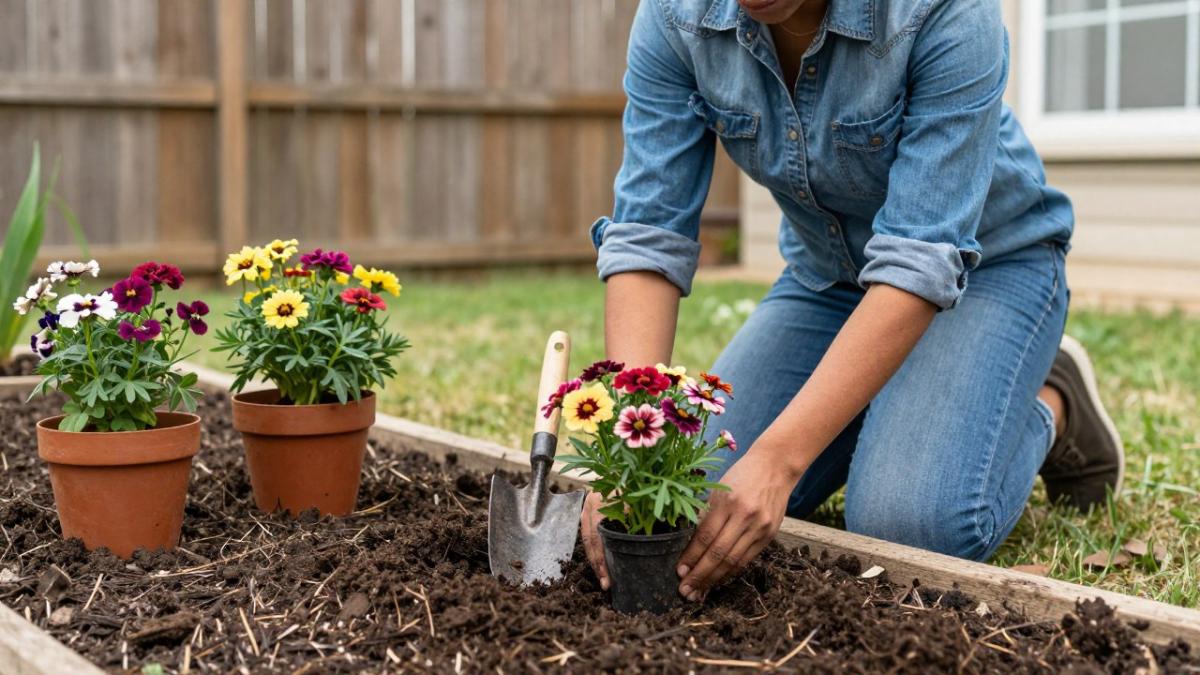
Reliable performers for local gardens include:
- Black-eyed Susan for summer heat and drought
- Coneflower for pollinators and cold tolerance
- Lantana for long bloom through hot months
- Salvia for both cold hardiness and heat
- Ornamental grasses for structure across seasons
For a current, season-specific list, our guide on what flowers to plant in Texas right now is built around the calendar rather than the map.
A common mistake is buying flowers in full bloom in spring and planting them in afternoon sun. They look great for two weeks, then scorch. Morning sun and afternoon shade suits most of these better.
Microclimates: Why Your Yard May Run a Half Zone Warmer or Colder
Your yard is not the map. A single property can hold a warm pocket against a south-facing brick wall and a cold pocket at the bottom of a slope where frost settles.
Signs you have a cold pocket:
- Frost lingers there after the rest of the yard clears
- Water pools and sits after rain
- It sits at the low point of the property
Signs you have a warm pocket:
- Soil warms earlier in spring
- A wall or pavement reflects heat back
- Cold-sensitive plants survive there
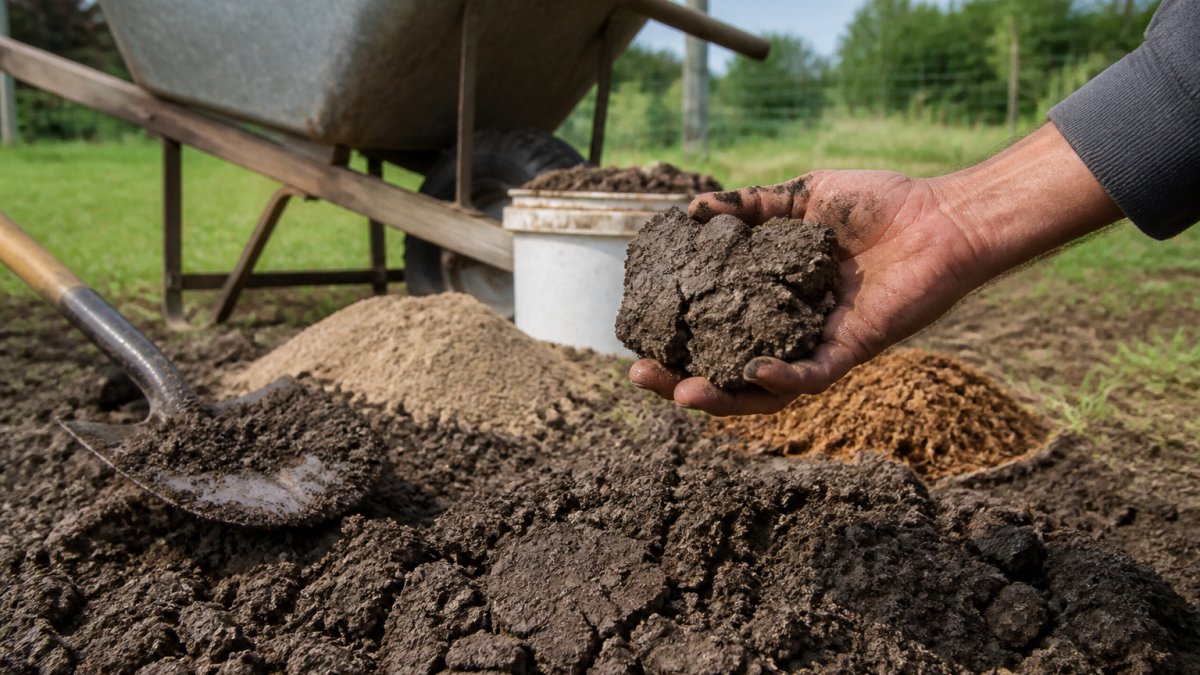
Soil matters as much as temperature. Much of North Texas sits on heavy clay, and clay holds water. Roots drown in a wet winter, and the plant dies looking like a cold casualty when drainage was the real cause. Our guide on how to improve clay soil in your Texas garden covers the fix.
Test before you plant. Dig a hole, fill it with water, and see how long it takes to drain.
Picking Plants for Your Zone Without Wasting Money
Start with the plant tag, then ask three questions before you buy.
Does it survive our coldest typical winter? Does it handle our summer heat and dry spells? Will it tolerate the soil in the spot you have in mind?
If the answer to any of those is no, leave it on the shelf. A plant that needs constant rescue costs more than the one you replace once.
For readers planning around water use, our guide on planning drought resistant landscaping in North Texas explains how to build a bed that survives a dry summer. And if you are brand new to this, five native Texas plants for beginners is an easier starting point than a full landscape plan.
Native and adapted plants reduce the guesswork. They evolved here, so they already pass the cold and heat tests.
Bring Your Zone Questions to the Nursery in Bonham
Zone charts get you close. A conversation gets you the rest of the way, because we can look at your spot, your soil, and your light and tell you what will actually live there.
Hoppy Farms Neighborhood Nursery is a mother-and-daughter owned neighborhood nursery in Bonham, focused on helping local gardeners choose plants that suit their conditions.
What we offer for zone questions:
- Help reading a plant tag against your actual location
- Advice on soil and drainage before you dig
- A selection of plants chosen for local conditions
- Seasonal events and classes for families who want to learn together
Come in with your ZIP code and a photo of your planting spot. We will take it from there.
The zone map is a starting line, not a finish. Bring us your questions, your soil, and your half-finished garden plan, and we will help you pick plants that survive the winter and thrive through the summer.
Frequently Asked Questions
What is the best zone for gardening in North Texas?
Most of North Texas sits in USDA zones 7b and 8a, which means winter lows typically bottom out between 5 and 20 degrees Fahrenheit. That range suits a wide mix of perennials, shrubs and vegetables. Bonham and the surrounding Fannin County area generally fall in 8a, while pockets north toward the Red River can dip into 7b. Rather than chasing a single best zone, match plants to your specific spot and check the 2023 USDA map for your address.
How do I find my North Texas gardening zone by ZIP code?
Use the USDA Plant Hardiness Zone Map's ZIP code lookup on the official site. Enter your ZIP and it returns your zone and half-zone, such as 8a. For North Texas planting zones by ZIP code, remember the map draws broad bands, so a Bonham address near a low creek bottom may run colder than the map suggests. Confirm with a local nursery that knows your street and soil before you buy tender plants.
When should I plant vegetables in North Texas?
Follow a North Texas vegetable planting calendar built around two seasons. Cool-season crops like lettuce, spinach, carrots and broccoli go in from late February through March and again in September. Warm-season crops such as tomatoes, peppers and squash go out after the last frost, usually mid-to-late March into April. A fall garden often outperforms spring because plants mature before the summer heat. Start seeds indoors about six weeks before transplanting.
What flowers grow well in North Texas?
Look for flowers to plant in North Texas that tolerate both winter cold and summer heat. Texas sage, black-eyed Susan, coneflower, lantana, salvia, yarrow and ornamental grasses perform reliably in zones 7b to 8a. Native and adapted perennials need less water and survive temperature swings better than tropical imports. Plant in fall or early spring so roots establish before the first hard freeze, and mulch to protect crowns through winter.