 How-to
When to Plant a Fall Garden in North Texas
Last Updated: November 15, 2026
Quick Summary
Start your fall garden in North Texas between mid-July and late September, working backward from your first frost date. Most cool-season crops need 60 to 90 days to mature, and North Texas usually sees its first frost sometime in November.
- August is the busiest planting month, so match each crop to the right method and month.
- Start broccoli, cabbage, cauliflower, and Brussels sprouts indoors in late July for late August transplanting.
- Add 10 to 14 days to seed-packet days to maturity when planting in August heat.
- September is the sweet spot for lettuce, spinach, carrots, kale, collards, cilantro, and parsley.
- October is last call: plant only fast crops like leaf lettuce, spinach, radishes, and garlic.
Table of Contents
- North Texas Fall Vegetable Planting Calendar
- Fall Crops to Plant in August
- Fall Crops to Plant in September
- Fall Crops to Plant in October
- Preparing Garden Beds in North Texas Heat
- Adjusting Planting Dates for Bonham and Local Frost Risk
- Succession Planting and Frost Protection for a Longer Harvest
- Choosing Your Fall Seedlings and Supplies in Bonham
- Frequently Asked Questions
North Texas Fall Vegetable Planting Calendar
The short answer: start your fall garden in North Texas between mid-July and late September, working backward from your first frost date.
That window is tighter than most new gardeners expect. Summer heat hangs on through August, then cool air arrives fast.
This guide breaks the season into three planting blocks so you can match each crop to the right month and stretch your harvest past the first cold snap.
The core idea: a fall garden is not one planting date but a rolling schedule.
How to Read the Calendar by First Frost Date
Every fall planting date starts with one number: your first frost date. North Texas generally falls in USDA hardiness zones 7b to 8a, and the USDA Plant Hardiness Zone Map is the place to confirm your exact zone.
Here is how the math works:
- Find your first frost date. In Bonham and the surrounding area, plan for early to mid-November.
- Check the crop's days to maturity on the seed packet.
- Subtract that number from your frost date.
- Add 10 to 14 days of buffer for heat-stressed slow growth.
That buffer matters. Seedlings planted in August grow slower than the packet promises because of the heat, so don't plant on the exact calculated date with no cushion.
Fall Crops to Plant in August
August is the busiest planting month of the fall garden, and it feels wrong: 95 degrees outside while you sow seeds for cool weather. Plant anyway, but match method to crop, some go straight into the ground, some need an indoor head start in July, and some are best set out as transplants by late August.
The table below consolidates the August window by crop and planting method. Days to maturity are typical ranges from seed packets and extension guidance; treat them as planning estimates.
| Crop | Planting method | When to plant | Days to maturity | Frost strategy |
|---|---|---|---|---|
| Okra | Direct sow | Early August | 50-60 | Warm-season holdover; harvest before cool nights slow pod set |
| Cucumber | Direct sow | Early August | 50-60 | Pick fast before vines decline in September cool-down |
| Summer squash | Direct sow | Early to mid August | 50-55 | Harvest young; frost ends production |
| Beets | Direct sow | Late August | 50-60 | Mulch after frost; roots tolerate light cold |
| Broccoli | Indoor start late July; transplant late August | Late August | 60-70 | Heads size before November frost; row cover extends harvest |
| Cabbage | Indoor start late July; transplant late August | Late August | 70-80 | Frost-hardy; mulch and row cover for winter standing |
| Cauliflower | Indoor start late July; transplant late August | Late August | 60-70 | Less frost-tolerant than broccoli; cover at first frost |
| Carrots | Direct sow | Late August | 60-75 | Mulch heavily; roots can stay in ground into winter |
| Radishes | Direct sow | Late August | 25-30 | Fast crop; succession sow every 10-14 days |
| Leaf lettuce | Direct sow or transplant | Late August | 45-55 | Bolt risk in heat; shade cloth helps germination |
Days to maturity
Starting Seeds Indoors and Direct Sowing in Late Summer
Broccoli, cabbage, cauliflower, and Brussels sprouts do best started in trays in late July, then moved outside once they have four true leaves. That indoor window is easy to miss because it falls during the hottest part of summer, but it is what allows a cole crop to size up before frost.
Direct sowing works better for beets, carrots, radishes, and leafy greens. Their roots or growing points do not like being disturbed, and direct-sown plants adapt to the bed from day one.
Heat is the enemy of August germination. Three practices make the difference:
- Sow seeds slightly deeper than the packet says, where soil stays cooler and moisture is more even.
- Water twice daily for the first week. A light afternoon mist keeps the surface from crusting and helps seedlings break through.
- Use shade cloth or a floating row cover on hoops for the first week to cut soil surface temperature and reduce moisture loss.
Watch out: August soil dries fast. A tray that looks damp at noon can be bone dry by 4 p.m., and one missed day can kill a whole flat.
Heat Mitigation and Establishment During August
August planting succeeds or fails on establishment. Keep the root zone cool and moist long enough for seedlings to anchor before the first cool front.
- Shade at planting: Drape 30-50% shade cloth over hoops for the first 7-10 days after sowing or transplanting. Remove it once seedlings are standing and new growth appears.
- Soil moisture: Water deeply in the morning, then a second light watering in late afternoon to cool the surface and help germination.
- Mulch after emergence: Apply 1-2 inches of straw or compost to hold moisture and keep soil temperature down. Do not bury stems.
A common North Texas pattern is to plant warm-season crops first because they need heat to finish, then follow with fast cool-season crops in late August. That sequence uses the remaining summer heat instead of fighting it.
Fall Crops to Plant in September
September is the sweet spot. Daytime heat eases, nights cool down, and the soil still holds warmth. This is when most of your cool-season vegetable crops go in the ground.
- Lettuce and spinach: direct sow early September
- Radishes: direct sow anytime in September
- Carrots: direct sow early September
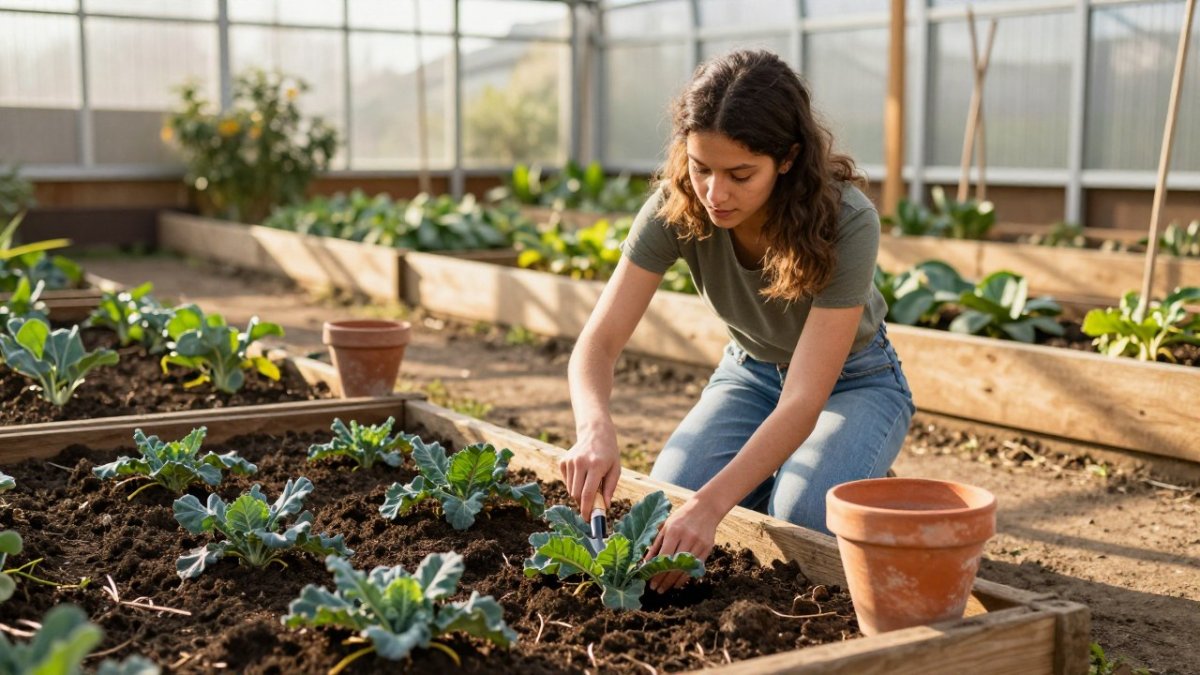
Transplanting Seedlings and Cool-Season Cole Crops
Transplanting in September is easier than August, but timing still matters. Move seedlings in the evening or on a cloudy day so they settle before the sun hits them.
Cole crops are the backbone of a North Texas fall garden. Broccoli, cabbage, cauliflower, and Brussels sprouts all handle light frost well.
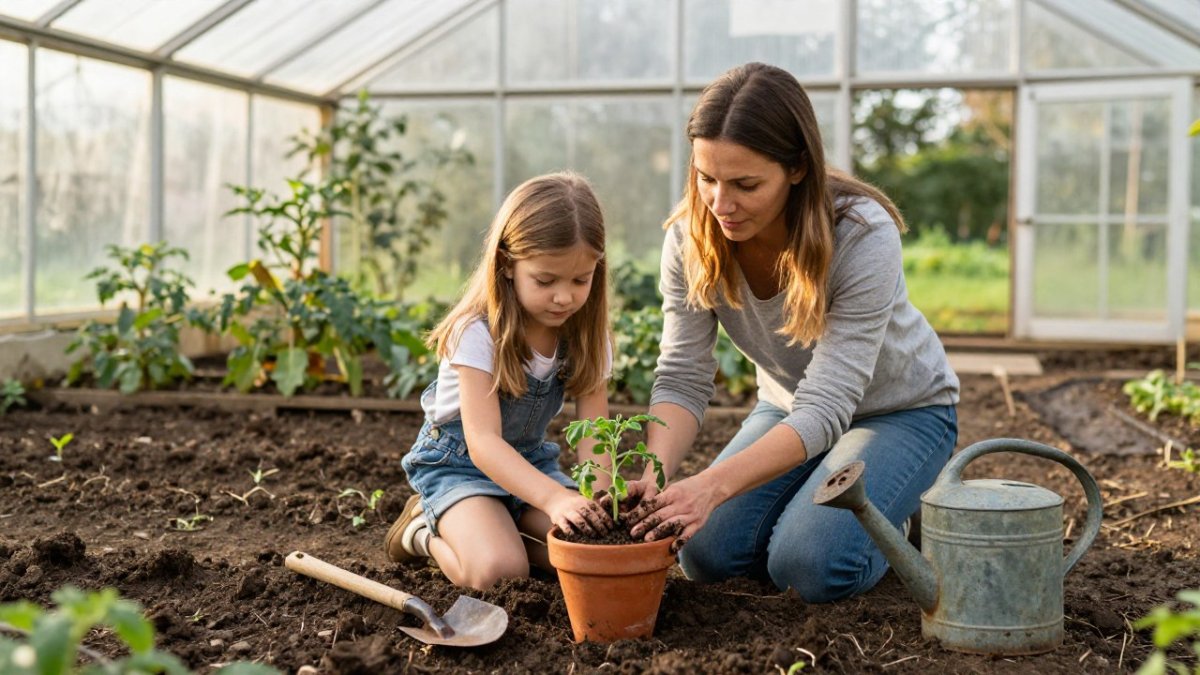
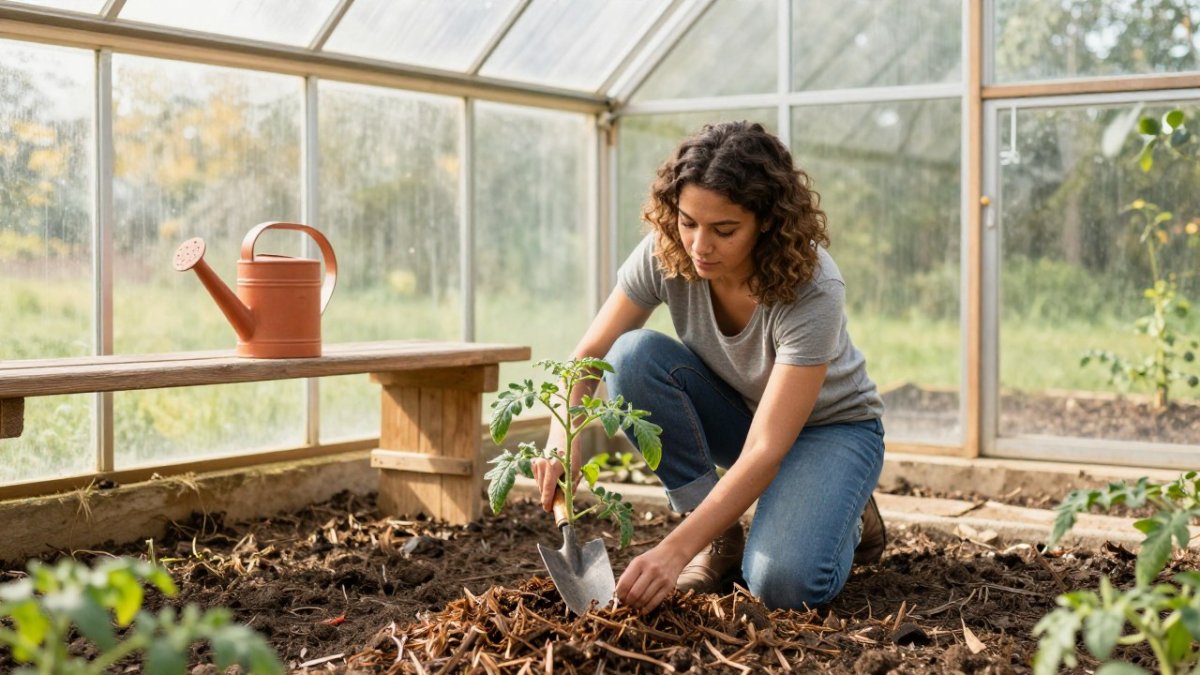
Set transplants slightly deeper than they grew in the tray. Water them in well, then check them daily for the first week.
Fall Crops to Plant in October
October is the last call for most of the fall garden. Frost is roughly four to six weeks out, so only fast crops make it.
- Leaf lettuce: direct sow early October
- Spinach: direct sow early October
- Radishes: direct sow for a quick harvest
Slow crops like broccoli and cabbage planted now will not head before frost. Skip them.
If you want easy plants to round out the same garden bed, browse our guide to 5 Best Native Texas Plants for Beginners to Grow.
Preparing Garden Beds in North Texas Heat
Soil preparation decides more of your fall harvest than any other step. August soil is hot, dry, and often compacted from summer crops.
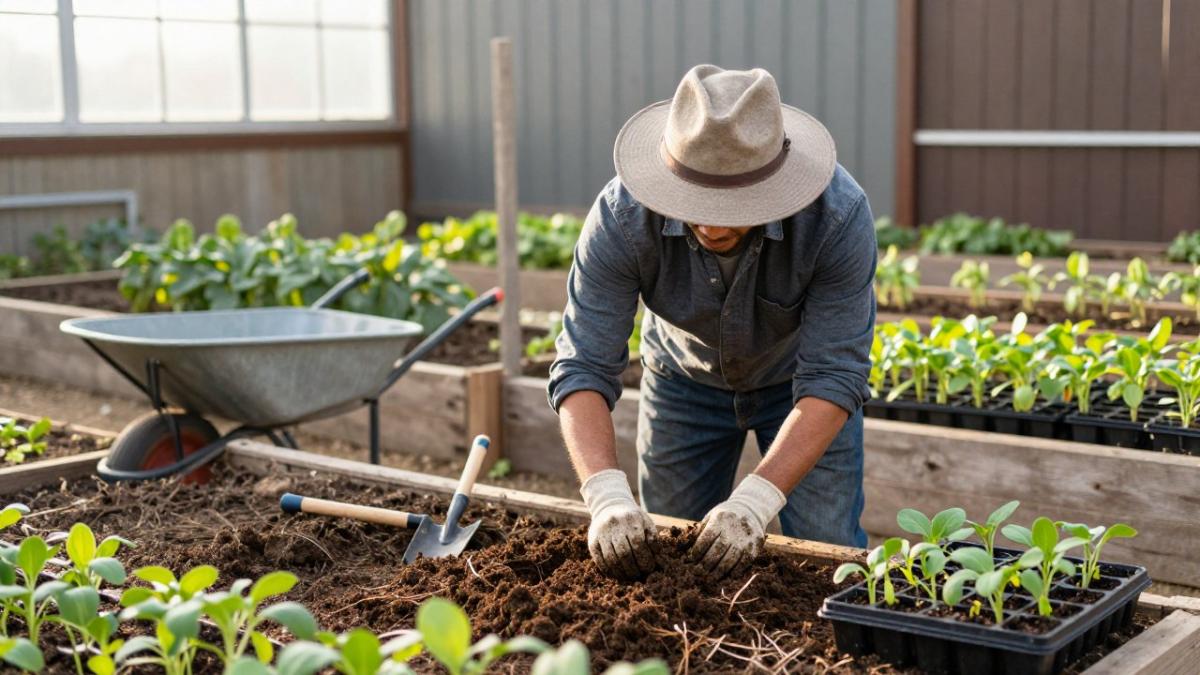
Follow these steps:
- Pull out spent summer plants and their roots.
- Loosen the top 6 to 8 inches with a fork or tiller.
- Spread 2 to 3 inches of compost over the bed.
- Mix it into the top layer, then rake level.
- Water deeply and let the bed rest two or three days before planting.
Organic matter is the key. North Texas soil tends toward heavy clay, and compost improves both drainage and moisture holding.
Skip chemical weed killers near your beds. Hand pull weeds before they seed, and mulch after planting to keep them down.
Adjusting Planting Dates for Bonham and Local Frost Risk
Cold air can settle faster in low-lying spots than on higher ground, so your first frost can arrive earlier than the regional average in some gardens.
Three local adjustments help:
- If your garden sits in a low spot, consider planting a little earlier than the regional calendar suggests.
- Watch the ten-day forecast in late October, not just the historical frost date.
- Keep row cover handy from the first week of November.
Frost risk is not uniform. A raised bed against a south-facing wall stays warmer than an open field. Walk your property and note where cold air pools.
How Microclimate Shifts Your Planting Dates
Microclimate is the set of local conditions that make your garden warmer or colder than the regional average. In North Texas, four factors matter most:
- Elevation and slope: Cold air is heavier than warm air and drains downhill. A garden at the bottom of a slope collects cold air and frosts earlier; a garden on a gentle slope or ridge drains cold air away and runs warmer.
- Urban heat: Concrete, asphalt, and buildings hold heat and release it at night. A garden inside Bonham or near a paved area can run a few degrees warmer than open countryside, which may let you plant a week or so later in fall and still finish before frost.
- South-facing walls and thermal mass: A bed against a south-facing wall or near stone, brick, or a driveway absorbs daytime heat and radiates it at night, extending your season on both ends.
A practical way to use this: pick one reference garden on your property, note its first frost date over a season or two, and adjust the regional calendar by the difference. Low pockets often run earlier than the regional average, while a sheltered south-facing bed can run later.
Using Local Frost Risk to Set Planting Deadlines
Instead of planting on a single date, set a deadline for each crop and work backward:
- Find your local first frost date from a regional source or your own records.
- Subtract the crop's days to maturity, plus a 10-14 day heat buffer for August plantings.
- Treat that date as your last practical planting date for that crop, not a target.
- If the ten-day forecast shows an early cold front, harvest or cover ahead of schedule rather than waiting for the historical date.
The Old Farmer's Almanac frost date tool is a handy cross-check for your local frost window, but treat it as a starting point and adjust for the microclimate you observe in your own garden.
Succession Planting and Frost Protection for a Longer Harvest
Succession planting means sowing the same crop every two to three weeks instead of all at once. For lettuce, spinach, and radishes, this spreads your harvest across weeks instead of one big flush.
Try this pattern:
- Sow lettuce September 1, September 20, and October 10.
- Sow radishes every 14 days from late August through September.
- Harvest outer leaves first so plants keep producing.
When frost threatens, cover beds with row cover or a light sheet. Remove it in the morning.
The Old Farmer's Almanac frost date tool is a handy cross-check for your local frost window.
Choosing Your Fall Seedlings and Supplies in Bonham
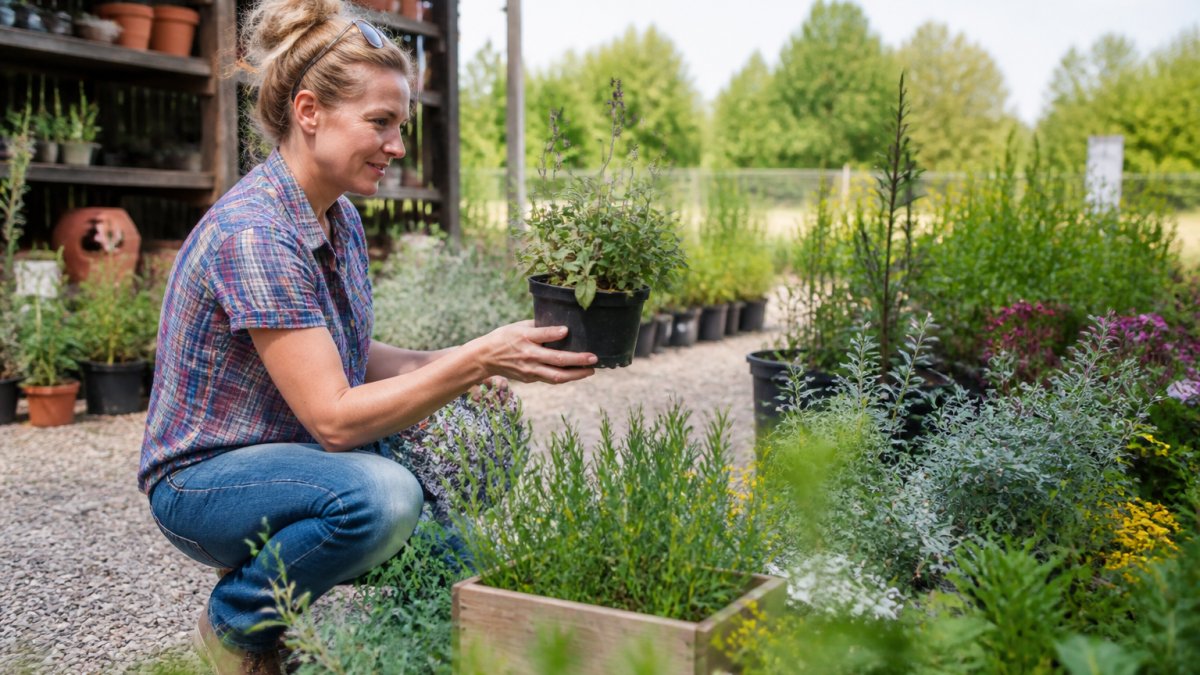
A fall garden succeeds or fails on the quality of what you plant.
Stop by and ask us what to plant this month.
The hardest part of a North Texas fall garden is starting in August heat, when it feels like nothing could possibly grow.
Hoppy Farms Neighborhood Nurseries is a welcoming neighborhood nursery focused on locally focused products and personalized customer service.
Frequently Asked Questions
When should I start my fall garden in Texas?
Start planning in July and plant your first cool-season seeds in mid-July to early August. In North Texas, the fall garden begins while summer heat is still strong, so timing matters more than the calendar month. Work backward from your first frost date, usually around mid-November, and count the days to maturity for each crop. Crops that need 60 days or more should go in by early August, while fast crops like radishes can wait until September or October.
What should you not plant in the fall in North Texas?
Avoid warm-season crops that need a long, hot season to fruit, such as tomatoes, peppers, okra, corn, cucumbers and squash, unless you plant them in July for a late crop. These crops will not have enough heat and daylight to mature before the first frost if planted in September or October. Also skip heat-loving herbs like basil, which blackens at the first cold night. Focus instead on cool-season crops like broccoli, cabbage, beets, carrots, lettuce, spinach and kale.
When is the first frost usually expected in North Texas?
The first frost in North Texas typically arrives in mid-to-late November, though the exact date varies by microclimate and year. Use November 15 as a working frost date for planning, then watch the ten-day forecast as October ends. Row cover or a light blanket can protect tender seedlings if an early cold snap arrives.
Can I plant a fall garden in North Texas in September?
Yes. September is one of the best months for planting in North Texas because the worst heat has passed and soil is still warm. Direct sow beets, carrots, radishes, lettuce, spinach, turnips and kale. Transplant broccoli, cabbage, cauliflower and Brussels sprouts seedlings early in the month so they establish before cool weather slows growth. Keep watering consistently, since September can still bring dry spells and temperatures in the high 80s.