 blog
What Flowers to Plant in Texas Right Now: 2026 Guide
Table of Contents
- What Flowers to Plant in Texas Right Now: Start With Your Region
- Native Texas Perennials for Pollinators That Thrive in Every Region
- North Texas Planting Calendar: What to Sow Month by Month
- Best Soil Amendments for North Texas Clay Before You Plant
- Heat-Tolerant and Drought-Tolerant Flowers for Full Sun
- Fall and Winter Planting in Texas: What Survives a North Texas Frost
- Frequently Asked Questions
Last Updated: October 12, 2026
What Flowers to Plant in Texas Right Now: Start With Your Region
If you want to know what flowers to plant in Texas right now, the short answer depends on two things: your USDA hardiness zone and your first frost date. At Hoppy Farms Neighborhood Nurseries in Bonham, we see this every fall: customers who planted in spring and watched their flowers struggle through July come back in October and finally get the garden they wanted.
Texas spans zones 6b through 10a, which means a flower that thrives in Houston may die in Bonham. That range is why regional advice matters more here than almost anywhere else in the country.
Fall planting works because soil stays warm while air cools. Roots establish before winter, then plants take off in spring with a head start. For North Texas, the window from late September through November is prime time.
How USDA Hardiness Zones and Frost Dates Decide Your Planting Window
USDA hardiness zones tell you the coldest temperature your garden will likely hit. Texas ranges from zone 6b in the Panhandle to zone 10a near Brownsville.
- North Texas (Bonham, Sherman, Denison): zones 7b-8a, first frost mid-November
- Central Texas (Austin, Hill Country): zones 8b-9a, first frost early December
- South Texas (San Antonio, Corpus Christi): zones 9a-9b, frost is rare
Check your zone before you buy anything. Then count backward from your frost date. Tender annuals need six weeks to bloom before cold hits. Perennials need at least four weeks to root.
Native Texas Perennials for Pollinators That Thrive in Every Region
Native Texas perennials for pollinators are the safest bet for any North Texas garden. They evolved here, so they handle clay soil, heat, and drought without fuss.
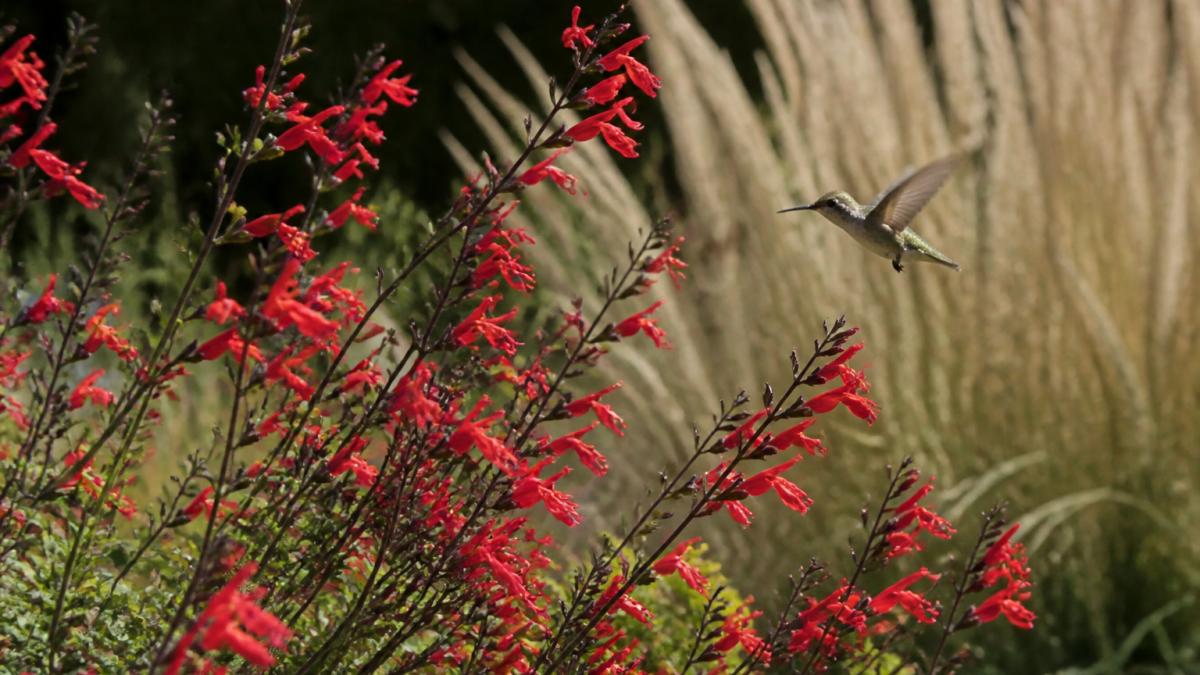
Top performers for Bonham-area gardens:
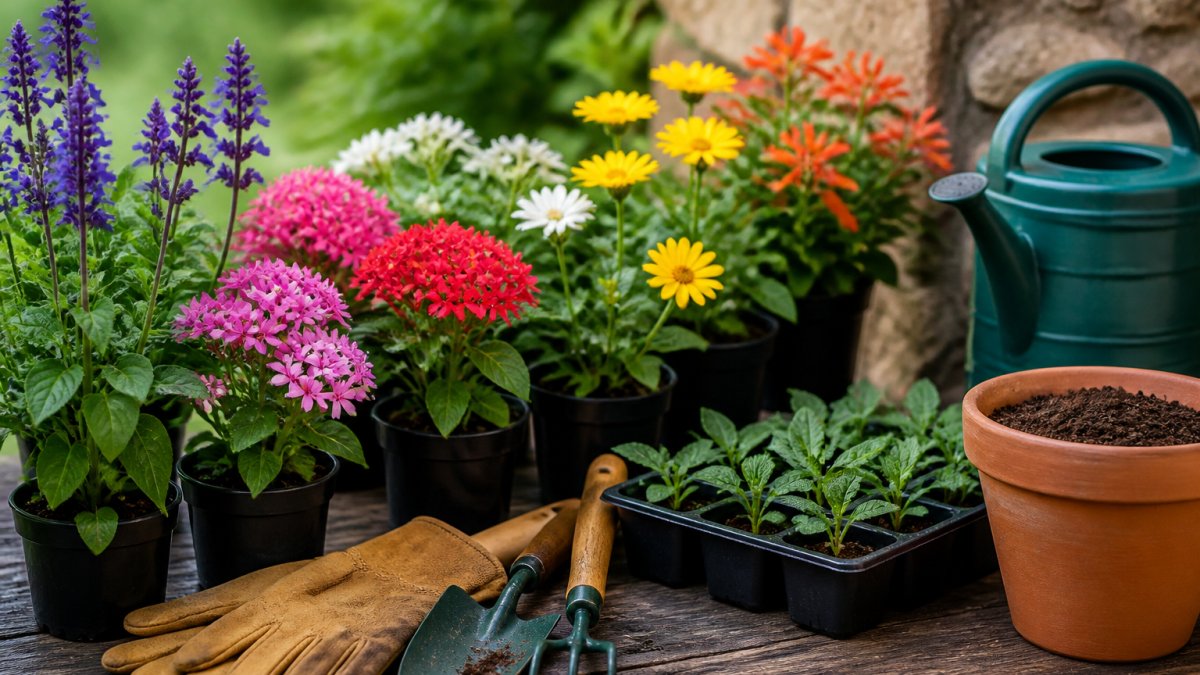
- Autumn sage (Salvia greggii) - blooms spring through fall, handles full sun, attracts hummingbirds
- Mealy blue sage - native, drought-tolerant, blooms from spring to first frost
- Turk's cap - shade-tolerant, feeds hummingbirds, survives clay soil
- Standing cypress - biennial, tall red spikes, butterfly magnet
- Penstemon - early bloomer, needs well-drained soil, great for borders
- Jerusalem sage - yellow blooms, silver foliage, thrives in poor soil
The Lady Bird Johnson Wildflower Center native plant database is the best free tool for checking whether a plant is truly native to your county.
Hummingbird and Butterfly Favorites: Autumn Sage, Turk's Cap, and Standing Cypress
These three plants do the heaviest lifting for pollinators in North Texas. Autumn sage blooms in red, pink, or coral and keeps flowering until frost. Turk's cap handles shade and produces small red flowers hummingbirds love.
Pair them with milkweed if you want monarchs. Native milkweed is the only plant monarch caterpillars eat, so it belongs in any pollinator garden.
North Texas Planting Calendar: What to Sow Month by Month
A North Texas planting calendar keeps you from wasting money on plants that can't handle the season ahead. Here's what we recommend for Bonham and similar zone 7b-8a areas:
| Month | What to Plant | Why It Works |
|---|---|---|
| September | Wildflower seed, cool-season annuals | Soil still warm, rain returns |
| October | Perennials, shrubs, spring bulbs | Roots establish before frost |
| November | Tulips, daffodils, garlic | Need cold to bloom |
| December-February | Dormant trees, bare-root roses | Plants sleep, roots grow |
| March | Warm-season annuals after last frost | Soil warm enough to germinate |
| April-May | Zinnias, lantana, Pride of Barbados | Heat lovers take off |
| June-August | Minimal planting | Focus on watering, not sowing |
October is the single best month to plant perennials in North Texas. The soil is still warm from summer, but the air has cooled enough that plants don't stress.
Best Soil Amendments for North Texas Clay Before You Plant
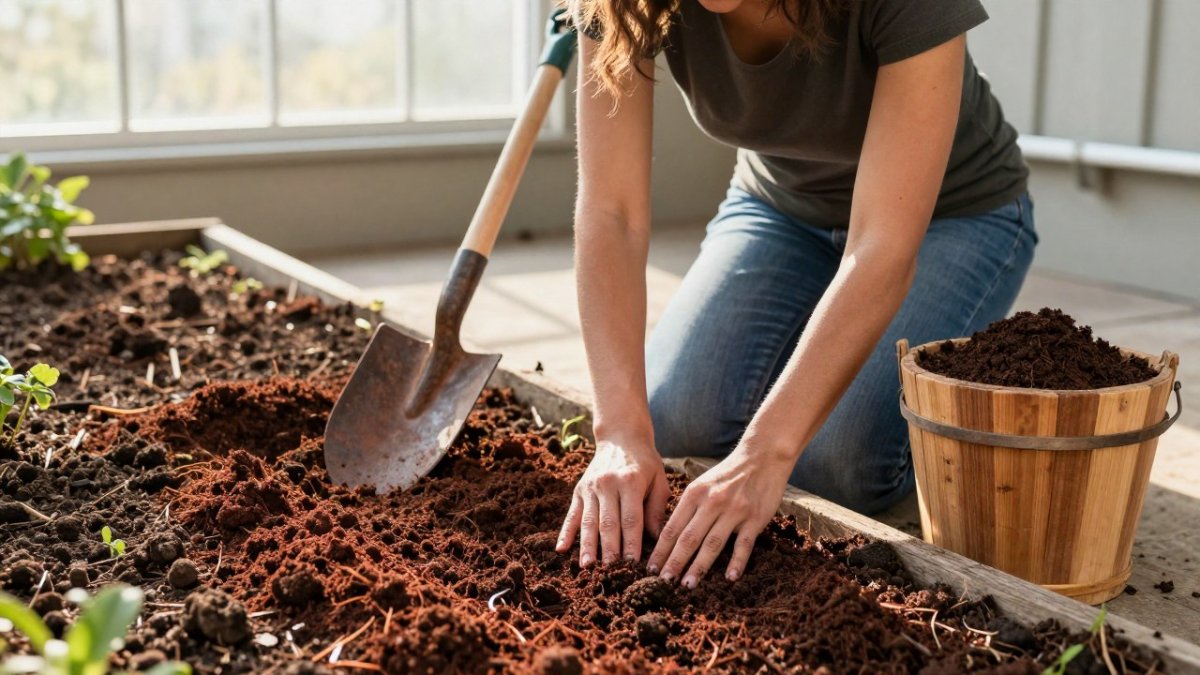
Best soil amendments for North Texas clay start with one rule: never amend the planting hole alone. If you dig a nice hole of soft soil in hard clay, roots stay in that hole and circle instead of spreading.
What actually works in Bonham's black clay:
- Compost: spread 5-8 cm (2-3 inches) on top, let worms work it in
- Expanded shale: breaks up clay without turning it to concrete
- Gypsum: helps with sodium-heavy clay, but test first
Heat-Tolerant and Drought-Tolerant Flowers for Full Sun
Heat-tolerant and drought-tolerant flowers for full sun are non-negotiable in Texas. Even in fall, plants need to survive the next summer. The mistake most gardeners make is choosing a plant that survives one 38°C (100°F) day but not six weeks of them. The plants below are proven across Texas summers, but the right pick depends on your region and how much water you can realistically give.
Full-Sun Flowers by Texas Region
Texas is not one climate. A plant that thrives in Houston's humidity may sulk in El Paso's dry heat. Use this regional shortlist to match the flower to your conditions.
North Texas (Bonham, Sherman, Denison, zones 7b-8a, black clay):
- Zinnia, blooms all summer, reseeds itself, tolerates clay if amended
- Lantana, thrives in poor soil, attracts butterflies, dies back in hard freezes
- Mexican mint marigold, fall bloomer, smells like tarragon, handles clay
Central Texas (Austin, Hill Country, zones 8b-9a, limestone and thin soil):
- Pride of Barbados, tropical look, dies back each winter, returns in spring
- Copper canyon daisy, fall bloomer, tolerates limestone, attracts butterflies
- Blackfoot daisy, low-growing, white blooms, thrives in rocky soil
South Texas (San Antonio, Corpus Christi, zones 9a-9b, hot and humid):
- Bougainvillea, thrives in heat, needs frost protection in marginal zones
- Esperanza, yellow trumpet blooms, handles humidity, attracts pollinators
- Firebush, native-ish, hummingbird favorite, dies back in freezes
West Texas (Lubbock, El Paso, zones 7a-8a, dry heat and wind):
- Blanket flower, native, drought-tolerant, long bloom season
- Chocolate daisy, smells like chocolate, tolerates poor soil
- Damianita, yellow blooms, extremely drought-tolerant, needs sharp drainage
Water Needs: What "Drought-Tolerant" Actually Means
"Drought-tolerant" is not the same as "no water." Most of these plants need regular water during their first year to establish roots. After that, they can survive on rainfall in most Texas years, but they bloom better with deep watering every two to three weeks in summer.
- Low water (survives on rainfall after establishment): lantana, flame acanthus, blackfoot daisy, damianita, blanket flower
- Moderate water (needs occasional deep watering in summer): zinnia, Knock Out rose, esperanza, plumbago, autumn sage
- Higher water (needs consistent moisture): bougainvillea, firebush, Mexican mint marigold
Trade-Offs to Know Before You Buy
Every plant has a catch. Knowing the trade-off saves you from disappointment.
- Lantana, thrives on neglect but can become invasive in South Texas; check local guidance
- Pride of Barbados, stunning but dies to the ground every winter; treat as a perennial in zone 8b and south
- Zinnia, reseeds freely, which is either a feature or a weed problem depending on your garden
For partial shade, try Turk's cap, cardinal flower, or penstemon. All three handle morning sun and afternoon shade without wilting. If you are planting in containers, choose zinnia, lantana, or plumbago, they perform well in pots and can be moved to protect from frost.
Fall and Winter Planting in Texas: What Survives a North Texas Frost
Fall and winter planting in Texas works if you pick the right plants and time them to your first frost date. This is where most generic guides fall short: they give a plant list but not a planting window. The table below ties each plant to the month you should put it in the ground in North Texas (zones 7b-8a), with notes on how it handles frost.
North Texas Fall and Winter Planting Calendar
| Plant | Plant By | Frost Tolerance | Bloom Time | Notes |
|---|---|---|---|---|
| Pansies and violas | October-November | Down to about -6°C (20°F) | Fall through mild winter | Best cool-season color; water during dry spells |
| Snapdragons | October-November | Light frosts | Fall and again in spring | Pinch tips for bushier plants |
| Ornamental kale | October-November | Down to about -6°C (20°F) | Foliage color all winter | Edible but usually grown for looks |
| Daffodils | October-December | Hardy in zone 7b | Late winter to early spring | Plant bulbs 15-20 cm (6-8 in) deep |
| Tulips | November-December | Hardy in zone 7b | Early to mid spring | Need cold; pre-chill in mild winters |
| Hellebores | October-November | Hardy in zone 7b | Late winter | Evergreen, shade-tolerant |
| Wildflower seed | September-October | Varies by species | Spring | Needs bare soil and fall rain |
October is the single best month to plant perennials in North Texas. The soil is still warm from summer, but the air has cooled enough that plants don't stress. Spring bulbs need winter cold to bloom, so plant them in November and December.
How Frost Dates Vary Across Texas
Your planting window is set by your first frost date, not the calendar. The same plant may go in the ground in October in Bonham and in November in Austin.
- North Texas (Bonham, Sherman, Denison): first frost mid-November, plant cool-season annuals through October
- Central Texas (Austin, Hill Country): first frost early December, you have roughly four more weeks than North Texas
- South Texas (San Antonio, Corpus Christi): frost is rare, cool-season annuals can grow all winter
Check your zone before you buy anything. Then count backward from your frost date. Tender annuals need six weeks to bloom before cold hits. Perennials need at least four weeks to root.
Establishment and Maintenance After Planting
Fall-planted perennials survive winter better than spring-planted ones because their roots have months to settle before summer heat arrives. But they still need care during establishment.
- Watering: Water deeply at planting, then every 7-10 days if rain is scarce. Roots are growing even when tops look dormant.
- Mulch: Apply 8-10 cm (3-4 inches) of shredded hardwood after the ground cools but before it freezes. This moderates soil temperature and conserves moisture.
- Spacing: Follow the tag. Crowded plants compete for water and air, which invites disease in humid winters.
A few cold-hardy picks for Bonham:
- Pansies and violas, bloom through mild winters
- Snapdragons, survive light frosts, thrive in cool air
- Daffodils and tulips, plant October through December
- Hellebores, evergreen, bloom in late winter
If you want a low-maintenance winter garden, combine pansies for color, daffodils for spring payoff, and hellebores for evergreen structure. That trio covers the whole cool season without replanting.
Frequently Asked Questions
When is the best time to plant flowers in Texas?
The best time depends on your region and the plant type. In North Texas, plant warm-season annuals after the last spring frost, usually mid-March to early April, and plant perennials in fall (September to November) so roots establish before summer heat. South Texas can plant earlier in spring and later into fall. Always check your local frost date, because a late cold snap can kill tender seedlings even after warm days begin.
What flowers can survive a North Texas winter?
Cold-hardy perennials and native species handle North Texas winters best. Autumn sage, mealy blue sage, Turk's cap, and Jerusalem sage all return after frost. Pansies and ornamental kale add winter color in beds and containers. In USDA zone 8a around Bonham, most of these survive typical winters with mulch for root protection. In an unusually hard freeze, expect some top growth to die back, but healthy roots usually regrow in spring.
How do I prepare my soil for planting in Bonham, TX?
North Texas clay is heavy and drains slowly, so amend it before planting. Mix in 2 to 3 inches of compost to improve structure and drainage, then top with mulch to hold moisture. For native Texas perennials, keep amendments lighter because many prefer lean, well-drained soil. Test drainage by digging a hole, filling it with water, and checking how fast it empties. If water sits for hours, add more organic matter or plant in raised beds.
Which native Texas flowers bloom in the fall?
Several native species put on their best show in fall. Mealy blue sage, autumn sage, and Mexican mint marigold bloom into October and attract pollinators. Standing cypress and cardinal flower add red accents earlier in the season. Turk's cap flowers from summer through the first frost. Planting these in spring or early fall gives roots time to settle, so you get a full flowering season the following year.