 blog
How to Plan Drought Resistant Landscaping in North Texas
Last Updated: November 17, 2026
Quick Summary
Drought resistant landscaping in North Texas means replacing part of the lawn with mixed borders, rain gardens, native perennials, shrubs, and ornamental grasses grouped by water needs. Fall is the best planting window, and most natives survive on rainfall alone after the first year.
- Dig a rain garden basin 15-20 centimetres deep and keep it at least 3 metres from foundations.
- Plant perennials, shrubs, and trees from September through November so roots establish before summer heat.
- Water new plantings two to three times per week for the first month, then taper to weekly.
- Set drip irrigation to run 30-45 minutes twice weekly for new plantings and 30 minutes weekly for established natives.
- Sheet mulching is a low-cost method that takes one to two seasons to prepare a bed for planting.
Table of Contents
- Why Drought Resistant Landscaping Works in North Texas
- Low-Water Landscaping Ideas for North Texas That Cut Your Water Bill
- Idea 1: Replace Part of the Lawn With a Mixed Border
- Idea 2: Build a Rain Garden for Runoff
- Idea 3: Group Plants by Water Needs
- Idea 4: Add Shade Trees to Lower Heat and Water Loss
- Idea 5: Sheet Mulch a Bed Instead of Tilling
- Idea 6: Plant a Pollinator Garden With Native Species
- Idea 7: Swap Thirsty Groundcover for Frog Fruit or Horseherb
- Idea 8: Use Ornamental Grasses as a Screen
- Idea 9: Set Up Drip Irrigation on a Timer
- Idea 10: Convert a Sunny Strip to a Gravel and Agave Bed
- Drought-Tolerant Perennials for North Texas That Come Back Every Year
- Drought-Resistant Shrubs for North Texas: Structure With Less Water
- Full-Sun Drought-Tolerant Plants for North Texas Exposures
- How to Put These Drought Resistant Landscaping Ideas to Work
- Choosing Your First Drought-Tolerant Plants at Hoppy Farms
- Frequently Asked Questions
Why Drought Resistant Landscaping Works in North Texas
Drought resistant landscaping is the practice of designing a yard around plants and soil conditions that survive on rainfall alone once established, rather than relying on constant irrigation.
The good news is that North Texas has a deep bench of native and adaptive plants built for this climate.
Below, we'll walk through 10 drought resistant landscaping ideas for North Texas, then cover plant selection, timing, and irrigation so you can actually install them.
Low-Water Landscaping Ideas for North Texas That Cut Your Water Bill
These ten ideas range from weekend projects to season-long plans. Start with the ones that fit your budget and yard, and don't try all ten at once.
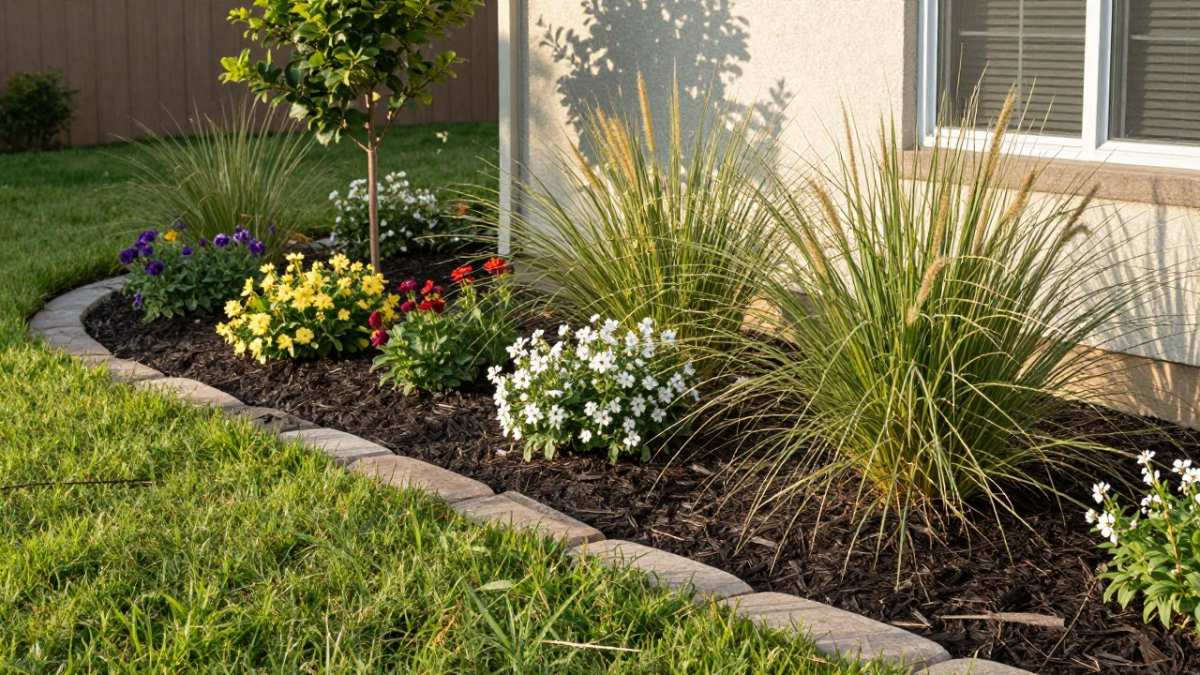
Idea 1: Replace Part of the Lawn With a Mixed Border
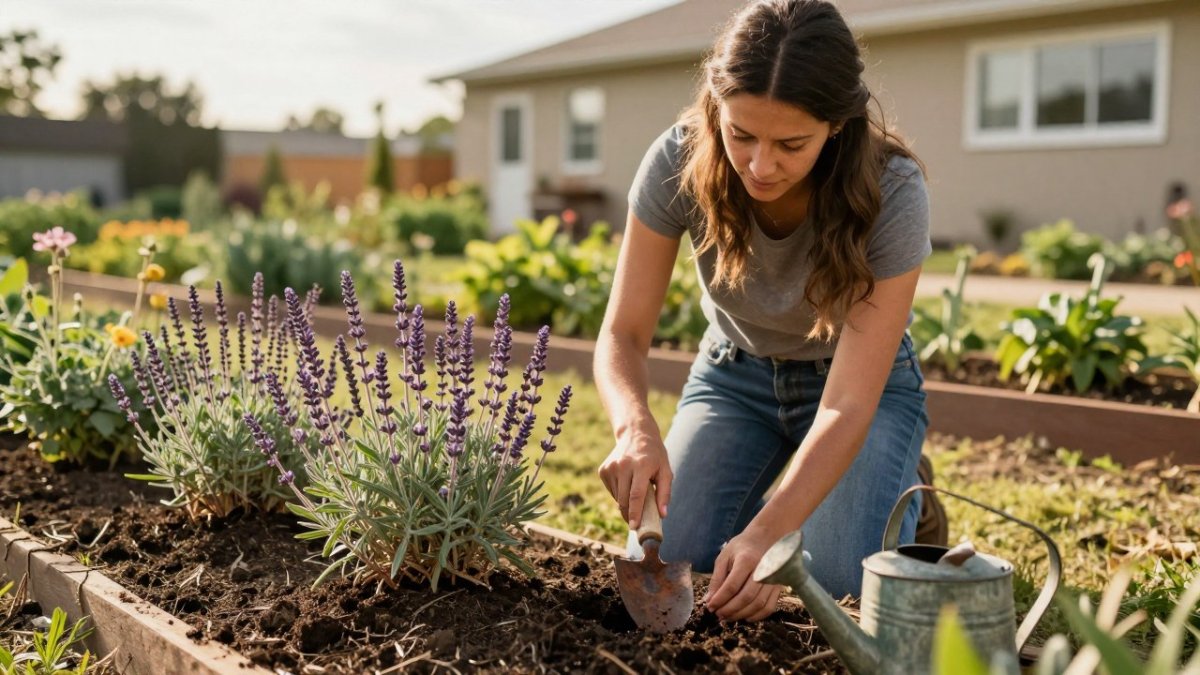
Take the strip of lawn you mow but never use and turn it into a mixed border of perennials, shrubs, and ornamental grasses. A mixed border uses less water than turf, adds pollinator habitat, and looks intentional rather than unfinished. In North Texas, start with a 1-metre-wide bed along a fence or walkway, sheet mulch it in fall, and plant a mix of Turk's cap, lantana, and Gulf muhly.
Idea 2: Build a Rain Garden for Runoff
A rain garden is a shallow depression planted with water-tolerant natives that catches roof and driveway runoff and lets it soak in. In North Texas, where rain often arrives in short heavy bursts, a rain garden keeps that water on your property instead of in the storm drain. Dig a basin 15-20 centimetres deep, amend with compost, and plant species that handle both wet and dry cycles, such as frog fruit, switchgrass, and Texas star hibiscus.
Idea 3: Group Plants by Water Needs
Hydrozoning means placing plants with similar water needs together so one irrigation zone serves them all (Water-Wise Landscape Design: Steps). Group drought-tolerant perennials like Engelmann's daisy and Texas sage in the hottest, driest spots and put thirstier plants like bald cypress near downspouts or shade. This single change usually cuts wasted irrigation more than any plant swap.
Idea 4: Add Shade Trees to Lower Heat and Water Loss
A shade tree is the cheapest long-term cooling system a North Texas yard can have. Native and adaptive trees like live oak, red oak, and bald cypress cast shade that lowers soil temperature and slows evaporation, which means everything beneath them needs less water. Plant on the west and southwest sides for afternoon relief. Water deeply once a week for the first two summers, then taper off.
Idea 5: Sheet Mulch a Bed Instead of Tilling
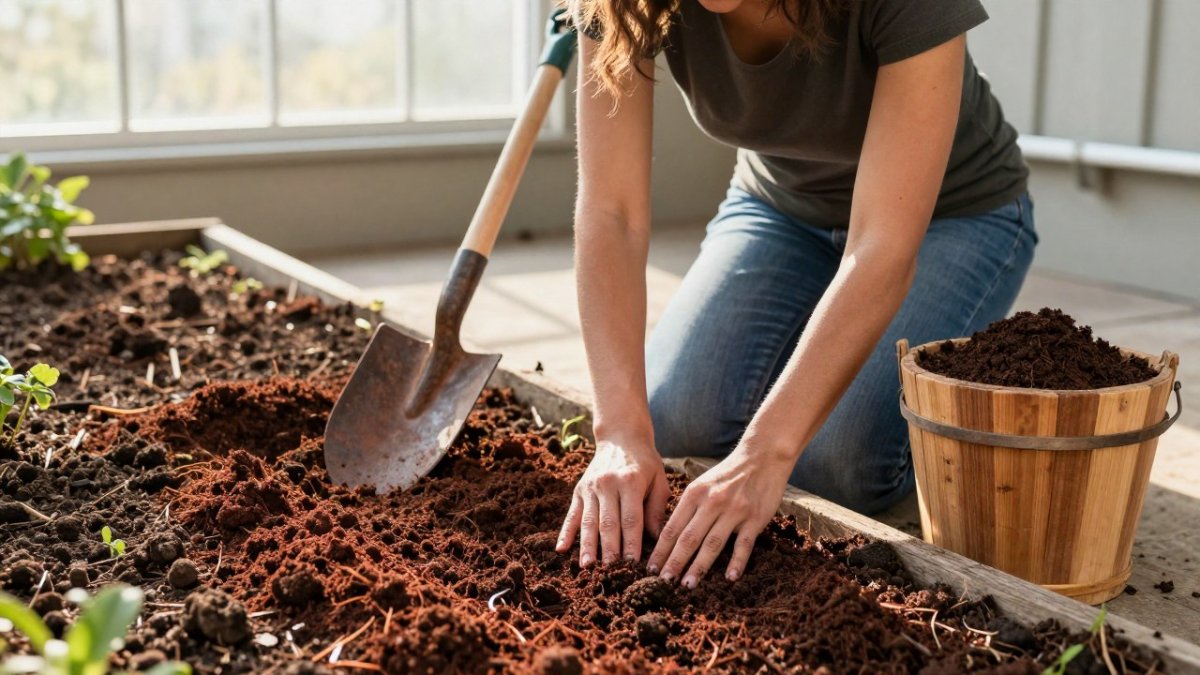
Sheet mulching layers cardboard or newspaper, compost, and mulch over lawn or bare soil to kill grass and build soil without tilling. It preserves soil structure, improves water retention, and suppresses weeds. In North Texas, apply in fall when soil is warm and moisture is available. Expect a bed to be ready for planting in one to two seasons, or plant through the mulch immediately with larger starts.
Idea 6: Plant a Pollinator Garden With Native Species
A pollinator garden built from native plants supports bees and butterflies while needing little supplemental water once established. Pick species suited to your sun exposure and soil, such as Gregg's mistflower, mealy blue sage, and black-eyed Susan. If you're new to natives, our list of 5 best native Texas plants for beginners to grow is a practical starting point.
Idea 7: Swap Thirsty Groundcover for Frog Fruit or Horseherb
Frog fruit and horseherb are low-growing North Texas natives that tolerate foot traffic, spread steadily, and survive on rainfall. They replace turf in shady or awkward areas where lawn struggles anyway. Neither needs mowing, and both support pollinators when in bloom. Plant plugs in fall or early spring and water until established. This is a low-cost, low-effort swap with moderate spread rate.
Idea 8: Use Ornamental Grasses as a Screen
Ornamental grasses such as Gulf muhly provide privacy, movement, and texture with almost no irrigation once rooted. Use them along property lines, around patios, or to hide utilities. In North Texas, plant in spring after last frost, water through the first summer, then cut back in late winter before new growth emerges. This is a moderate-cost, low-maintenance screening solution.
Idea 9: Set Up Drip Irrigation on a Timer
Drip irrigation delivers water to the root zone instead of the air, and a timer keeps you from overwatering out of habit. Run separate zones for established natives and new plantings, and set the timer to cycle-and-soak during hot months so water soaks in rather than running off. In North Texas, adjust frequency seasonally: twice weekly for new plants, weekly for established, and off during winter dormancy.
Idea 10: Convert a Sunny Strip to a Gravel and Agave Bed
A gravel bed planted with agave and other succulents turns a punishing hot strip into a feature instead of a maintenance problem. Gravel mulch reflects heat and suppresses weeds, and agave needs almost no supplemental water once established.
Watch out: planting agave in heavy clay without raised beds or grit amendment will lead to root rot; always ensure sharp drainage.
Drought-Tolerant Perennials for North Texas That Come Back Every Year
Drought-tolerant perennials for North Texas are herbaceous plants that die back in winter and return from the root each spring, surviving on rainfall once established.
Turk's cap tolerates shade and drought and feeds hummingbirds. Lantana blooms through the hottest months and comes in spreading and upright forms.
Plant perennials in fall so roots establish before summer. The first season needs regular water; after that, most of these plants thrive on rainfall alone.
Drought-Resistant Shrubs for North Texas: Structure With Less Water
Drought-resistant shrubs for North Texas give a landscape its bones: evergreen mass, height, and screening that perennials can't provide on their own.
Yaupon takes shearing well and makes a dense hedge (Dwarf Yaupon Holly). Texas sage wants sharp drainage and full sun, and it resents wet feet.
Watch out: planting shrubs in heavy clay without amending drainage is the most common reason they fail here.
Full-Sun Drought-Tolerant Plants for North Texas Exposures
Full-sun drought-tolerant plants for North Texas need to handle reflected heat from walls and pavement as well as direct sun. Agave, Gulf muhly, lantana, and ornamental grasses all fit that brief.
Match the plant to the exposure, not just the sun rating. A west-facing wall bed runs hotter and drier than an open lawn, so choose the toughest options there and save softer plants for east-facing beds.
How to Put These Drought Resistant Landscaping Ideas to Work
Match Plants to Your Yard's Sun, Soil, and Drainage
Walk your yard at three points in the day and note sun exposure, then dig a small test hole to see how your soil drains. Sandy soil drains quickly and suits agave and muhly; heavy clay holds water and needs amendment or raised beds. Group plants by these site conditions before you buy anything. For full sun, choose agave, Gulf muhly, and lantana; for shade, Turk's cap and horseherb; for clay, amend with compost and plant adapted perennials like salvia.
A North Texas Planting Calendar and Establishment Schedule
Fall is the best planting window in North Texas, with winter and early spring close behind. Avoid planting in the heat of summer unless you can commit to hand watering.
| Season | Best Tasks | Notes |
|---|---|---|
| September-November | Plant perennials, shrubs, trees | Roots establish before summer heat |
| December-February | Plant bare-root trees, dormant shrubs | Low water demand, minimal stress |
| March-April | Plant warm-season grasses, agave | Water through first summer |
| May-August | Mulch, monitor irrigation | Avoid new plantings where possible |
Establishment schedule: For the first month after planting, water deeply two to three times per week. For months two through six, taper to weekly. For the first summer, water every 7-10 days during dry spells. After the first year, most natives survive on rainfall alone, but monitor during prolonged drought.
If you're planning a fall install, our guide on when to plant a fall garden in North Texas covers timing in more detail.
Water-Use and Irrigation Settings for the First Year
New plants need consistent water for their first season, even drought-tolerant ones. Set drip irrigation to run 30-45 minutes twice weekly for new plantings, and 30 minutes weekly for established natives. Use cycle-and-soak (run 15 minutes, wait an hour, run 15 more) on clay soils to prevent runoff. Adjust timers seasonally: increase frequency during July-August, reduce in spring and fall, and turn off in winter except for new plantings.
Budget, Effort, and Maintenance Trade-Offs
Every idea here trades upfront effort for long-term savings. Sheet mulching and rain gardens are cheap but slow. Shade trees and gravel beds cost more upfront but cut maintenance for decades. Plan your budget around labor first, then plants, and buy in stages rather than all at once. Low-cost, low-effort ideas include sheet mulching, groundcover swaps, and hydrozoning; moderate-cost, moderate-effort ideas include rain gardens and drip irrigation; higher-cost, higher-effort ideas include shade trees and gravel beds.
Choosing Your First Drought-Tolerant Plants at Hoppy Farms
The hardest part of drought resistant landscaping isn't the design. It's walking into a nursery, seeing hundreds of plants, and knowing which ones will actually survive your yard.
Bring your questions to our team in Bonham and we can help point you toward plants and gardening supplies for your site.
Your yard doesn't need to be a water bill with grass on top.
Frequently Asked Questions
What are some drought-resistant landscaping ideas for Texas?
Start by shrinking the lawn and replacing it with a mixed border of native perennials, shrubs, and ornamental grasses. Add a rain garden to catch runoff, group plants by water needs, and mulch beds heavily to hold soil moisture. Shade trees such as live oak and bald cypress lower heat and water loss over time, and drip irrigation on a timer keeps new plantings alive without overwatering. Each idea works on its own, so you can start with one bed and expand.
Which drought-tolerant perennials and shrubs are suitable for North Texas?
Reliable drought-tolerant perennials for North Texas include Turk's cap, lantana, salvia, Engelmann's daisy, and Gulf muhly grass. For structure, drought-resistant shrubs for North Texas include yaupon holly, Texas sage, and agarita. These plants handle Texas summers once established and support pollinators. Hoppy Farms Neighborhood Nurseries in Bonham is a welcoming place to ask questions about plants for your yard.
How can I reduce watering in a North Texas yard?
Group plants by water needs so you water one zone deeply instead of everything lightly. Add 7 to 10 centimetres of mulch to slow evaporation, and set drip irrigation on a timer for early morning runs. Replace thirsty groundcover with frog fruit or horseherb, and reduce lawn area where foot traffic is low. New plants need regular water through their first summer; after that, most native and adaptive species survive on rainfall plus occasional deep soaks.
What is the 3-5-7 rule in landscaping?
The 3-5-7 rule is a planting design guideline: group plants in odd numbers, typically three, five, or seven of the same species, in a single cluster. Odd numbers look more natural than pairs, and repeating a plant in a mass gives a bed visual weight. It pairs well with drought resistant landscaping because mass planting the same species lets you water that cluster as one zone with the same schedule.