 Listicle
7 Ways to Make Garden Soil Better Naturally: A Texas Guide
Last Updated: November 19, 2026
Quick Summary
Make garden soil better naturally by adding a 2-3 inch layer of compost and working it into the top 6 inches, aerating compacted clay first so amendments can penetrate. Then mulch 2-4 inches, grow cover crops in empty beds, and top-dress with vermicompost or leaf mold to feed soil life.
- Spread a 2-3 inch layer of finished compost and work it into the top 6 inches of soil.
- Aerate compacted clay with a garden fork before adding compost or mineral amendments.
- Age manure at least 6 months and never use fresh manure near edible crops.
- Apply a 2-4 inch layer of organic mulch, keeping it a few inches back from plant stems.
- Chop cover crops before they set seed and let the cuttings break down on the surface.
Table of Contents
- 1. Add Compost to Build Organic Matter
- 2. How to Improve Clay Soil Garden Texas Gardeners Face
- 3. Use Aged Manure Safely
- 4. Best Organic Amendments for Texas Soil
- 5. Using Mulch to Improve Soil Health
- 6. Grow Cover Crops and Green Manure
- 7. Feed Soil Life with Vermicompost and Leaf Mold
- Test, Measure, and Plan Your First Season
- Frequently Asked Questions
1. Add Compost to Build Organic Matter
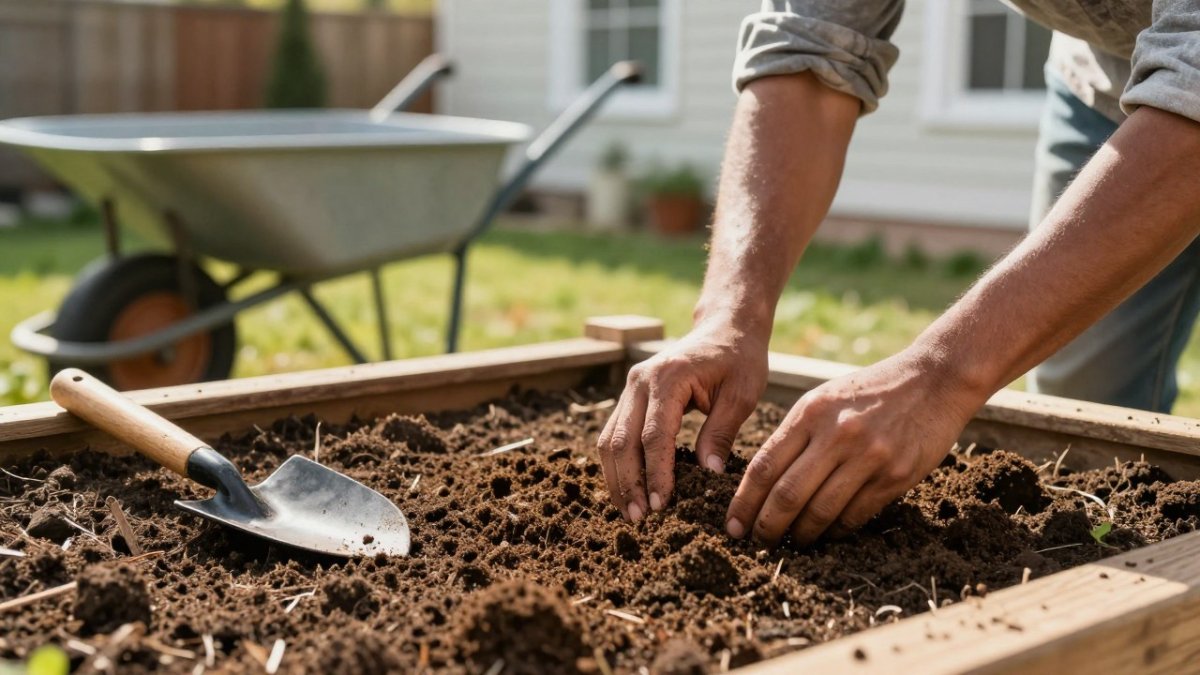
Compost is one of the most reliable ways to make garden soil better naturally, and it works by feeding the soil food web rather than the plant directly. Many new gardeners in Bonham are told the same thing: fix the soil first, and the plants take care of themselves. Compost adds organic matter, improves soil structure, and gives soil microbes a food source all at once.
Texas clay soil is heavy, sticky when wet, and brick-hard when dry. Compost loosens that structure. Sandy soil drains too fast; compost helps it hold water.
How Much Compost to Add and How Often
Spread a 2-3 inch layer of finished compost over the bed and work it into the top 6 inches of soil. For heavy clay, go closer to 3 inches. Repeat every spring and again in fall if you can. Compost keeps breaking down, so it needs topping up. One application is a start, not a fix.
2. How to Improve Clay Soil Garden Texas Gardeners Face
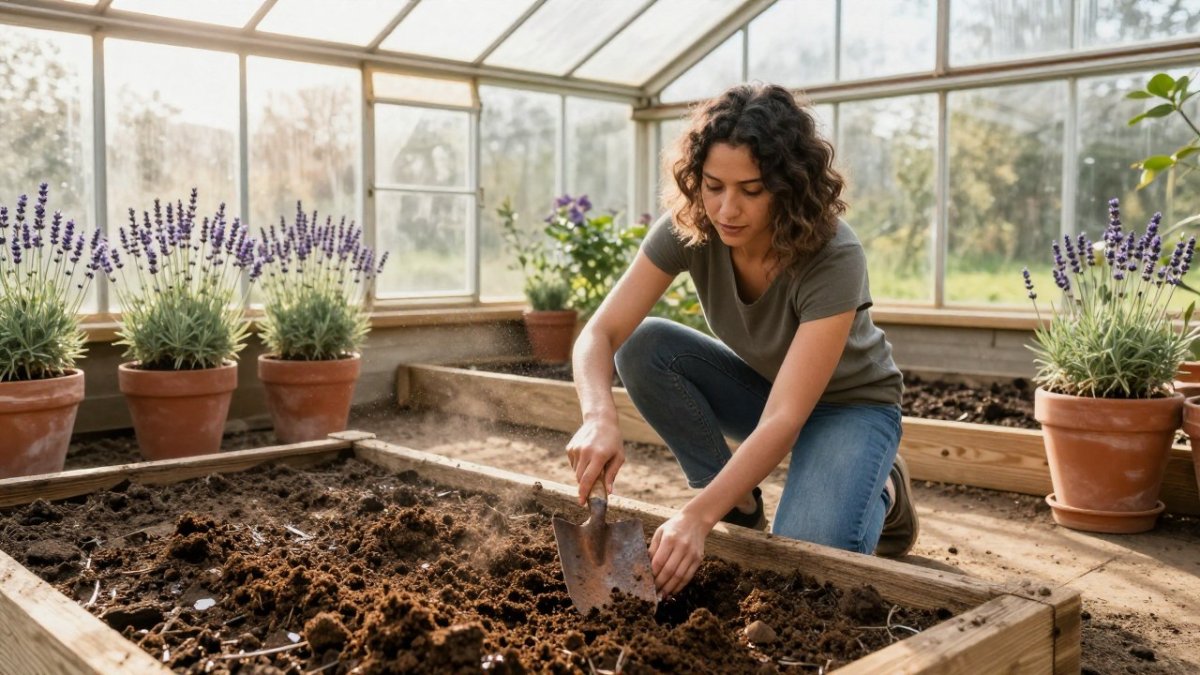
The fastest way to improve clay soil garden Texas homeowners struggle with is to aerate first, then amend. Clay particles pack tightly, so anything you spread on top sits there instead of working in. Break up the compaction before you add a single bag of compost.
A garden fork does the job for most beds. Push it in, rock it back, repeat across the bed. Don't flip the soil; just open it up. This improves infiltration and gives amendments somewhere to go.
Aerate Before You Amend
Aerating before you amend is a step that is easy to skip, but it helps everything else work. Loosen the top 6-8 inches, then add compost and any mineral amendments. Skip this and you waste good compost on soil that can't absorb it.
3. Use Aged Manure Safely
Aged manure is a natural amendment, but fresh manure can burn roots and carry pathogens. The rule is simple: age it, or don't use it. Composted or well-aged manure breaks down into stable organic matter that feeds soil life without the risk.
- Age manure at least 6 months before use
- Never use fresh manure near edible crops
- Keep manure away from wells and drainage paths
- Mix thoroughly into soil, never leave it on the surface
Watch out: Fresh manure applied straight to beds can scorch young plants and introduce weed seeds. If you can't confirm how old it is, compost it yourself first.
4. Best Organic Amendments for Texas Soil
The right organic amendments for Texas soil depend on what your soil test says. Gypsum helps break up compacted clay without shifting pH. Garden lime raises pH in acidic soil. Blood meal adds fast nitrogen. Worm castings boost soil biology. Each one solves a different problem.
Here's how common soil issues can be matched to amendments:
| Soil Issue | Amendment | When to Apply |
|---|---|---|
| Compacted clay | Gypsum | Fall, worked into top 6 inches |
| Acidic soil | Garden lime | Fall, before winter rains |
| Low nitrogen | Blood meal | Spring, mixed into beds |
| Poor biology | Worm castings | Spring and fall top-dressing |
| Poor structure | Compost and leaf mold | Every season |
If you're also planning what to grow once the soil is ready, our guide on when to plant a fall garden in North Texas walks through timing. And if you want plants that thrive in improved Texas soil, our list of native Texas plants for beginners is a good starting point.
5. Using Mulch to Improve Soil Health
Using mulch to improve soil health works in two directions: it protects the surface and feeds the life below. A 2-4 inch layer of organic mulch slows evaporation, moderates soil temperature, and suppresses weeds. As it breaks down, it adds organic matter right where earthworms and soil microbes are most active.
Keep mulch a few inches back from plant stems to avoid rot. Reapply as it decomposes, usually once or twice a year. Straw, shredded leaves, and pine bark all work well in Texas heat.
6. Grow Cover Crops and Green Manure
Cover crops and green manure are living soil builders. Plant them in fallow beds and they prevent erosion, fix nitrogen, and add biomass when you cut them down. Legumes like clover fix nitrogen. Cereal rye adds organic matter and improves soil structure. Buckwheat smothers weeds in summer.
Chop cover crops before they set seed, then let the cuttings break down on the surface. This is no-till gardening at its simplest: minimal soil disturbance, maximum soil life.
7. Feed Soil Life with Vermicompost and Leaf Mold
Vermicompost and leaf mold feed the soil food web directly. Worm castings are packed with beneficial organisms and enzymes, and they improve water-holding capacity. Leaf mold is the zero-cost option: pile shredded leaves, let them rot for a year, and you have a soil conditioner that improves texture and encourages fungal growth.
Top-dress with a half-inch of vermicompost in spring. Work leaf mold into beds in fall. Both are gentle, non-burning, and safe around everything you grow.
Test, Measure, and Plan Your First Season
A soil test tells you what your soil actually needs, which saves money and prevents over-amending. But the test is only useful if you can read it. Most reports include pH, organic matter percentage, and extractable nutrients, plus a lab recommendation. Treat the lab recommendation as a starting point, not a prescription: labs often assume you want maximum yield and may recommend more amendment than a home garden needs. Cross-check the recommendation against what you already know about your soil and against the amendment table above.
How to measure progress without a lab. You do not need a full soil test every season to see whether your soil is improving. Four simple field checks tell you most of what you need:
- Infiltration: Push a bottomless coffee can or a ring into the soil, pour in an inch of water, and time how long it takes to soak in. Faster infiltration over seasons means better structure.
- Aggregation: Dig up a handful of moist soil and gently crumble it. Good soil breaks into small, rounded aggregates; poor soil smears or stays in a block.
- Earthworm activity: Count earthworms in a spade-sized block of soil. More worms generally mean more organic matter and better biology.
- Organic matter color and feel: Darker, crumbly soil with a pleasant earthy smell indicates improving organic matter. Pale, compacted soil indicates the opposite.
Realistic timelines. Organic matter builds slowly. A 1 percent increase in organic matter in a mineral soil generally takes several years of consistent compost, mulch, and cover cropping, not one season. Structure improvements from aeration and compost can show up within a single growing season, but biological and organic-matter gains are measured in years. Plan for a three-to-five-year arc, and retest with a lab every two to three years to confirm the trend.
Your first-season plan:
- Test soil in late winter and read pH, organic matter, and phosphorus before buying amendments
- Aerate compacted beds and note infiltration time as a baseline
- Add 2-3 inches of compost, matched to your soil type
- Mulch everything to protect the surface
- Plant cover crops in empty beds rather than leaving them bare
- Top-dress with vermicompost in spring
- Repeat the infiltration and aggregation checks in fall, and retest with a lab every two to three years
You can also check guidance from your local Texas A&M AgriLife Extension Service on soil testing and regional recommendations, and the USDA Natural Resources Conservation Service on soil health principles. For organic certification standards on inputs, the USDA Organic program is the reference point.
Frequently Asked Questions
What is the best thing to add to poor soil?
Compost is the safest starting point for almost any poor garden soil. It adds organic matter, feeds soil microbes, and improves both water retention and drainage without the risk of burning plants. In Bonham's heavy clay, spread 2 to 3 inches of compost over the bed and work it into the top 6 inches. Pair it with mulch on the surface and a cover crop in the off-season to keep building soil health over time.
How do I improve heavy clay soil in North Texas?
Improving clay soil garden Texas style means working with the clay, not against it. Aerate the surface first, then add compost and a mineral amendment like gypsum to help break up compaction without shifting pH. Top with mulch to slow evaporation and prevent crusting. Avoid tilling wet clay, which causes puddling and compaction. Repeat the compost application each season, and consider raised beds for vegetables if drainage stays poor.
How long does it take to improve soil quality naturally?
You will see better water infiltration and easier digging within one season of adding compost and mulch. Full structural change in heavy clay typically takes two to three years of consistent organic matter, cover cropping, and minimal disturbance. Testing your soil before and after each season shows real progress. Earthworm counts and how fast water soaks in are simple measures any gardener can track.
How do I know if my garden soil needs amendments?
A soil test is the clearest answer. It reports pH, nutrient levels, and organic matter so you can choose amendments based on actual numbers instead of guesswork. Signs that point to a test include standing water after rain, cracked surfaces, pale or yellowing leaves, and poor root growth. Test every one to two years, and bring your results to a local nursery for help reading them.