 Listicle
What Are the Best Sustainable Gardening Supplies in Texas?
Last Updated: October 28, 2026
Quick Summary
The best sustainable gardening supplies in Texas are products made from renewable, recycled, or untreated materials that conserve water, build soil health, and support native ecosystems without synthetic chemicals. Look for rain barrels with sealed lids, drip tape or soaker hoses, ollas, and two to three inches of mulch to cut irrigation demand.
- Check six criteria before buying: water behavior, material honesty, soil compatibility, local sourcing, refill and repair, and certification evidence.
- Thin plastic compost bins warp and crack in full Texas sun, so the pile never heats properly.
- Match pest control to the pest: insecticidal soap for aphids, Bt for caterpillars, row cover as a physical barrier.
- Apply neem oil in early morning or evening, never in direct afternoon sun, to avoid burning foliage.
- Choose native plants matched to your soil and light, since East Texas wetland natives struggle in thin Hill Country ground.
Table of Contents
- What Makes Gardening Supplies Sustainable in Texas?
- Water-Saving Gardening Supplies Texas Gardeners Rely On
- Composting Tools for Garden Waste That Actually Work
- Organic Pest Control for Texas Gardens
- Texas Native Plants for Sustainable Gardens
- Comparing Sustainable Gardening Supplies: What to Weigh
- Where to Buy Sustainable Gardening Supplies Near Bonham
- Frequently Asked Questions
What Makes Gardening Supplies Sustainable in Texas?
Sustainable gardening supplies in Texas are products made from renewable, recycled, or untreated materials that conserve water, build soil health, and support native ecosystems without relying on synthetic chemicals. In practice, that means a supply earns the label only if it works with Texas heat, clay soil, and drought cycles rather than against them.
That distinction matters more than any marketing claim on a bag. A rain barrel that cracks in the first freeze isn't sustainable. A fertilizer that salts up clay soil isn't either. Sustainability in this climate is a performance question, not a values question.
Selection Criteria: What to Check Before You Buy
Six checks separate genuinely sustainable supplies from green-labeled packaging:
- Water behavior: Does the product reduce irrigation demand, or just claim to?
- Material honesty: Untreated wood, recycled plastic, and natural fiber hold up better than coated or treated alternatives in our experience.
- Soil compatibility: North Texas clay needs amendments that improve structure, not just add nutrients.
- Local sourcing: Texas-made products cut shipping emissions and tend to suit regional growing conditions.
- Refill and repair: Supplies you can top up or fix last longer than disposable versions.
- Certification evidence: Look for verifiable claims, not vague leaf imagery.
A common mistake is buying the cheapest compost bin, then discovering it can't handle summer heat. Watch out: thin plastic bins warp and crack in full Texas sun, and a cracked bin means the pile never heats properly.
Water-Saving Gardening Supplies Texas Gardeners Rely On
Here's what actually earns its place:
- Rain barrels with sealed lids and screened inlets, which keep mosquitoes out and stop debris from fouling the water.
- Drip tape or soaker hoses, which put water at the soil line where roots can reach it.
- Ollas, unglazed clay pots buried to the rim that release water slowly as soil dries.
- Mulch, two to three inches of it, which is the cheapest water-saving supply on the market.
Water-wise gardening isn't about gadgets. It's about keeping moisture where you put it.
Texas A&M AgriLife Extension's water conservation resources are the most practical starting point we know of.
Composting Tools for Garden Waste That Actually Work
Composting tools for garden waste work best when they match your volume: a sealed tumbler for small yards, a three-bin system for larger properties, and a worm bin for kitchen scraps only.
Consider what you're actually composting. Grass clippings and leaves need airflow. Kitchen scraps need containment. A tumbler handles both in small quantities; a static pile handles leaves better but needs turning.
Watch out: open piles in North Texas dry out fast in July and August. Keep a water source nearby and turn regularly, or the pile stalls for weeks.
What most guides miss is the carbon-to-nitrogen balance. Alternate brown material (dry leaves, cardboard, straw) with green material (clippings, scraps) roughly by volume, and the pile does the rest. Compost that finishes properly feeds soil structure, which is exactly what clay ground needs.
EPA's composting guidance covers the fundamentals clearly.
Organic Pest Control for Texas Gardens
Organic pest control for Texas gardens starts with identification, not application.
Start With the Texas Pest Calendar
- Spring: scout new growth for aphids; a strong water spray knocks them back before they colonize.
- Early summer: watch for spider mites on stressed plants; improve irrigation and mulch first, then treat.
- Mid-summer: hand-remove hornworms and large caterpillars; row cover protects young transplants.
- Fall: clean up spent foliage to reduce overwintering habitat for next season's pests.
Choose Products by Mechanism, Not Label
Organic pest products work in different ways, and matching the mechanism to the pest matters more than the brand:
- Insecticidal soap disrupts soft-bodied insects like aphids and whiteflies on contact; it has no residual activity, so coverage must be thorough.
- Neem oil interferes with feeding and reproduction in a range of insects and mites; apply in early morning or evening, never in direct afternoon sun, because heat and light can burn foliage.
- Bacillus thuringiensis (Bt) is a biological control specific to caterpillars; it must be eaten by the larva to work, so it is ineffective against aphids or mites.
- Row cover fabric is a physical barrier for vegetable beds; it prevents egg-laying by moths and flies but must be removed when flowering crops need pollination.
- Companion planting with aromatic herbs can confuse pests, but treat it as a supporting tactic rather than a standalone control.
Build the Beneficial Population First
Weed management deserves its own note: smother with cardboard and mulch rather than reaching for herbicide. It takes a season longer and leaves soil biology intact. The same logic applies to insects, solve the underlying stress and the pest pressure often falls on its own.
Texas A&M AgriLife Extension's integrated pest management resources are the most practical starting point we know of.
Texas Native Plants for Sustainable Gardens
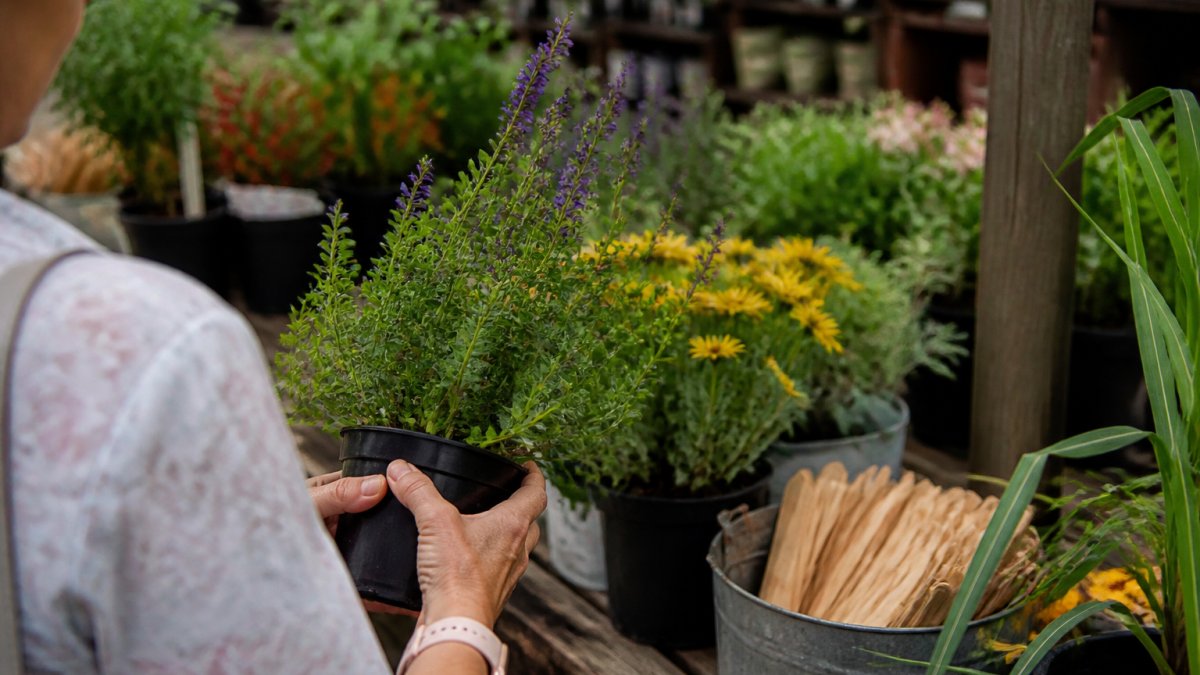
Choose species matched to your soil and light, not just to the label "native." A plant native to East Texas wetlands will struggle in thin Hill Country ground. Ask specifically about Texas-adapted plants for your conditions.
the Lady Bird Johnson Wildflower Center's native plant database is the reference we point customers toward.
Comparing Sustainable Gardening Supplies: What to Weigh
Comparing sustainable gardening supplies comes down to four factors: upfront cost versus lifetime cost, local availability, material durability, and whether the product solves a problem your garden actually has.
How to Verify a Sustainability Claim
Vague eco-labels are easy to print. These are the checks that separate a real claim from packaging:
- Sourcing: Is the material renewable, recycled, or untreated?
- Recycled content: Look for a stated percentage rather than a recycling symbol alone.
- Organic inputs: For amendments and fertilizers, look for a certifying body and an ingredient list, not just the word "organic."
- Packaging: Bulk or refillable packaging cuts waste; plastic bags around compost are a common contradiction.
- Repair and refill: Supplies you can top up or fix last longer than disposable versions.
- Certification evidence: Look for verifiable claims, not vague leaf imagery.
Match the Supply to Texas Conditions
A product earns its place only if it works with Texas heat, clay soil, and drought cycles. Use this framework when comparing options:
| Supply Category | What to Check | Texas-Specific Concern | Watch For |
|---|---|---|---|
| Rain barrels | Lid seal, screen, freeze tolerance | Summer sun and occasional hard freezes | Thin walls that crack |
| Compost bins | Volume match, aeration, lid fit | Piles dry out fast in July and August | Oversized units |
| Organic amendments | Source, nutrient profile, clay compatibility | North Texas clay needs structure, not just nutrients | Unverified claims |
| Native plants | Regional match, light needs | East Texas wetland natives struggle in thin Hill Country ground | Wrong-region natives |
| Pest control | Target specificity, application timing | Mite pressure rises in hot, dry spells | Broad-spectrum sprays |
Think in Cost Per Season, Not Sticker Price
Eartheasy's guidance makes a related point: supplies that cost more upfront can carry a lower lifetime cost per use. That framing is worth applying to every purchase on this list.
Where to Buy Sustainable Gardening Supplies Near Bonham
Hoppy Farms Neighborhood Nurseries is a mother-and-daughter owned neighborhood nursery serving Bonham and the surrounding communities. We offer plants, pots, gardening supplies, gifts, and natural body care products, with a focus on helping the local community learn about sustainable living and natural wellness.
What that means practically:
- Personalized advice on which native and Texas-adapted plants suit your specific yard.
- Educational experiences for families and new gardeners who want to learn rather than guess.
- Locally focused products, including Texas-made items and untreated materials.
- A welcoming, kid-friendly atmosphere where a first-time gardener can ask basic questions without embarrassment.
Current availability and pricing are best confirmed by checking our website directly.
Hoppy Farms Neighborhood Nurseries is a family-owned neighborhood nursery focused on natural, sustainable, and holistic gardening and wellness products for the Bonham community and surrounding areas. Get started with Hoppy Farms Neighborhood Nurseries.
Frequently Asked Questions
What gardening supplies are best for sustainable gardening in Texas?
Sustainable gardening can include water conservation, composting, and organic pest management. Hoppy Farms Neighborhood Nurseries offers plants and gardening supplies for the Bonham community and surrounding areas.
Which supplies help conserve water in hot Texas summers?
Water conservation is one sustainable gardening practice. Hoppy Farms Neighborhood Nurseries offers gardening supplies for the Bonham community and surrounding areas.
What tools do I need to compost garden waste at home?
Composting is one sustainable gardening practice. Hoppy Farms Neighborhood Nurseries offers gardening supplies for the Bonham community and surrounding areas.
Are native plants a sustainable choice for Texas gardens?
Hoppy Farms Neighborhood Nurseries offers plants and gardening supplies in Bonham, Texas, and the surrounding areas.
Where can I find sustainable gardening supplies in Bonham, Texas?
Hoppy Farms Neighborhood Nurseries offers plants, pots, gardening supplies, gifts, and natural body care products to the Bonham community and surrounding areas. Check the website for current availability.