 How-to
Agave Americana Century Plant: A Complete Care Review
Table of Contents
- Agave Americana Century Plant: What Bonham Gardeners Should Know
- Agave Americana Care: Sun, Soil, and Spacing
- Century Plant Watering and Drought Tolerance
- Agave Americana Cold Hardiness and Winter Protection
- Century Plant Pups: Propagation and Management
- Planting, Flowering, and Post-Bloom Care
- Common Mistakes and Safety Considerations
- Conclusion
- Frequently Asked Questions
Last Updated: October 16, 2026
Agave Americana Century Plant: What Bonham Gardeners Should Know
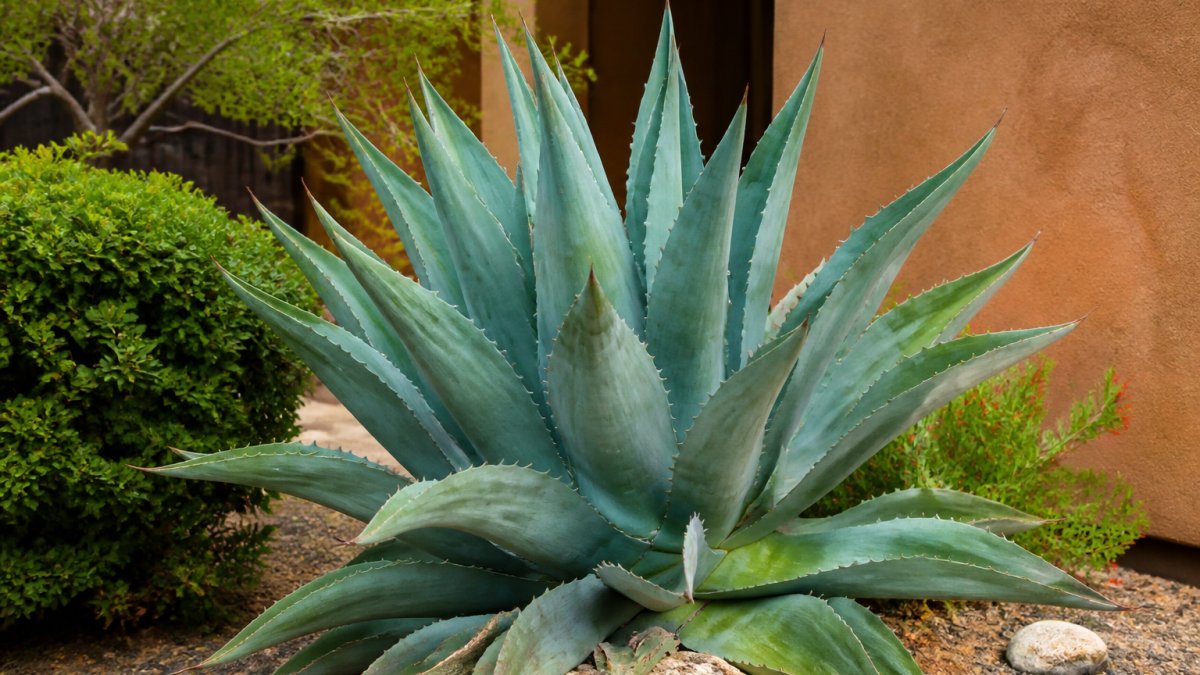
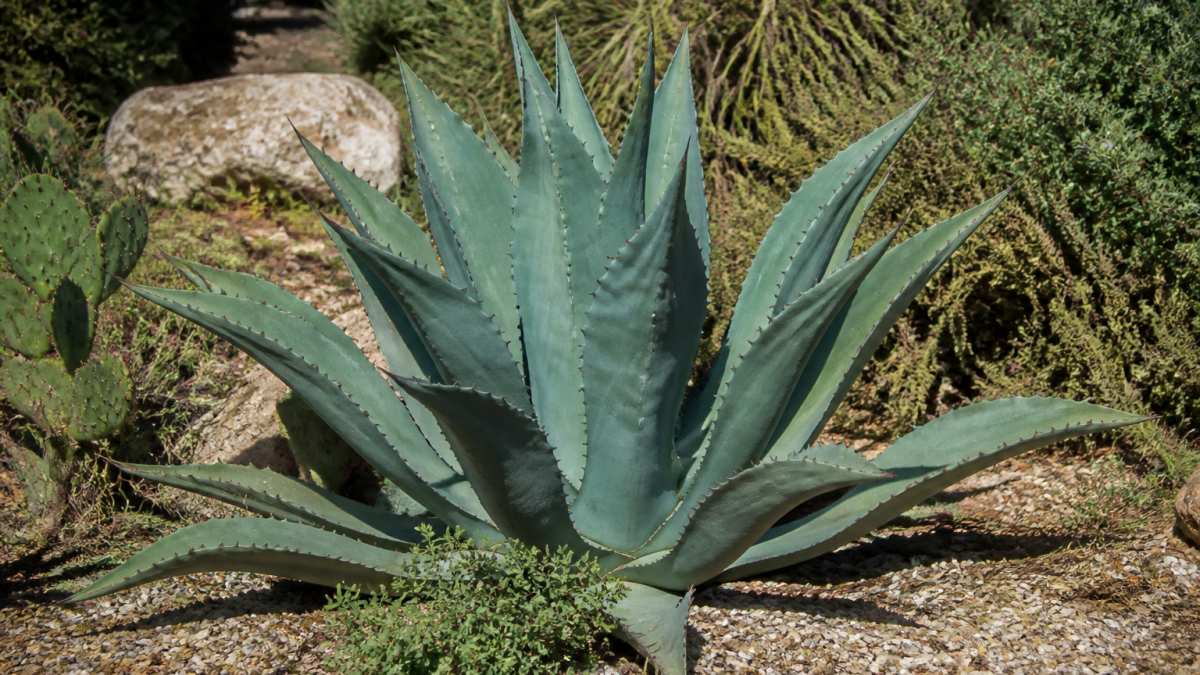
The Agave americana century plant is a large, evergreen perennial succulent in the Asparagaceae family, native to Mexico and the southwestern United States. It grows as a bold rosette of fleshy, blue-green leaves tipped with a sharp terminal spine.
That single-bloom habit is what makes this plant dramatic and catches new growers off guard. This guide from Hoppy Farms Neighborhood Nurseries covers what matters for Bonham yards: light, soil, water, cold, pups, and safety.
Agave Americana Care: Sun, Soil, and Spacing
Agave americana care comes down to three things: full sun, fast-draining soil, and enough room. Get those right and the plant looks after itself; get them wrong and you will fight rot for years.
Sunlight and Exposure in North Texas
Give this plant full sun, at least six hours a day. It handles our summer heat without complaint. Part shade is workable, but the rosette loosens and leaves stretch toward the light.
Reflected heat from a west-facing wall or gravel bed is fine; shade from a large pecan tree is not.
Soil Type and Drainage
Well-drained soil is non-negotiable. This agave tolerates poor, rocky, lean soil, but not waterlogging.
- Amend heavy blackland clay with coarse grit or expanded shale
- Plant on a slight mound so water runs away from the crown
- Never let the central crown sit in a puddle
Spacing matters too. Give a mature plant 1.5 to 2 metres of clearance from walkways and other plants, those marginal teeth are sharp.
Century Plant Watering and Drought Tolerance
Century plant watering is simple: water deeply at planting, then back off. This drought tolerant succulent is built for desert conditions, and overwatering is the fastest way to lose one.
Newly planted agaves need a soak every 10 to 14 days through the first summer. After that, rainfall usually covers it.
Signs you are overdoing it:
- Leaves turning soft and yellow at the base
- The central crown feeling mushy
- The whole rosette tipping sideways
Any of those point to root rot, and by the time you see them, the plant is often past saving. When in doubt, skip a watering.
Agave Americana Cold Hardiness and Winter Protection
Agave americana cold hardiness is usually listed as USDA zones 8 to 11, with established plants in a dry, sheltered spot sometimes surviving zone 7b. But it is not just about the lowest temperature, it is about how wet the soil is when the cold arrives.
This agave evolved in arid northern Mexico and the southwestern United States, where winter cold comes with dry air and dry ground.
What the Damage Looks Like
Cold injury on Agave americana follows a predictable pattern:
- Within 24 to 72 hours, damaged leaves turn dark green, then translucent and water-soaked
- The leaf tissue feels soft and limp instead of firm
- Outer leaves usually show damage first; the crown may stay intact
Do not dig the plant out the day after a freeze. Wait until new growth appears in spring; often the outer ring of leaves dies back while the central bud survives and pushes new leaves by late April or May.
Protection That Actually Works
- Move potted plants into a garage, shed, or unheated sunroom before the first hard freeze. Containers freeze faster than ground soil because cold reaches the roots from all sides.
- For in-ground plants, cover the rosette with a frost blanket, old sheet, or heavy row cover. Do not use plastic directly against the leaves, plastic traps moisture and can make freeze damage worse.
- Keep the cover from touching the ground so air still circulates. A simple frame of stakes or overturned nursery pots under the fabric works.
Regional Notes for North Texas
Bonham sits in USDA zone 8a, which means the average annual extreme low is roughly 10 to 15°F. That is within the plant's listed range, but our winters are wetter than the agave's native range, and that is the real risk.
- Plant on a raised mound or slope so winter rain drains away from the crown.
- Avoid low spots where water pools after a rain event.
- A south-facing wall or a bed against a brick or stone foundation gives radiant heat on cold nights.
Indoor Overwintering for Container Plants
Container-grown Agave americana can be moved into a garage for the coldest weeks. It needs no light during a short dormant stay, but it does need dry soil and cool temperatures; a garage between 40 and 55°F is close to ideal. Water sparingly, once every three to four weeks at most, and bring it back outside after the last expected frost.
Century Plant Pups: Propagation and Management
Century plant pups are the offsets that sprout from the base of the mother plant, how you get more plants for free, and how you keep a colony from taking over a bed.
Here is how to handle them:
- Wait until pups are at least 15 to 20 centimetres tall
- Water the parent plant the day before so the soil is soft
- Slide a spade between the pup and the mother plant
- Lift the pup with roots attached
- Let the cut surface dry for a few days in shade
- Pot it in gritty, fast-draining mix
- Water lightly after a week, then treat it like a mature plant
Remove unwanted pups while they are small. Left alone, a healthy agave throws a ring of offsets that crowds the parent and spreads into lawn and pathway.
Planting, Flowering, and Post-Bloom Care
Plant in spring or early fall, when the soil is warm and rain is more likely.
Then leave it alone. That is the whole process.
Flowering is the big event. A mature Agave americana sends up a tall stalk, sometimes several metres high, topped with yellow flowers that pollinators love.
After the stalk fades, cut it down and remove the dead rosette. Do not replant an agave in the same spot right away.
| Stage | What Happens | What To Do |
|---|---|---|
| Planting | Crown set at soil level | Water once, then wait |
| Establishment | First summer | Deep soak every 10-14 days |
| Mature years | Little care needed | Remove unwanted pups |
| Flowering | Tall stalk, yellow flowers | Enjoy it, then cut back |
| Post-bloom | Parent dies | Remove and let pups fill in |
Common Mistakes and Safety Considerations
The biggest mistake is treating this plant like a shrub. It wants sun, grit, and neglect, and it punishes kindness.
Other common errors:
- Planting in heavy clay without amendment
- Watering on a schedule instead of on need
- Setting it too close to a walkway
Why This Plant Is Genuinely Dangerous to Handle
Agave americana is not just prickly. It has three separate hazards, and most care guides mention only one.
- Terminal spines. Each leaf ends in a hard, needle-sharp point. These can penetrate leather gloves and have caused serious eye injuries. Never lean over a rosette to inspect the crown.
- Marginal teeth. The leaf edges carry hooked teeth that catch on skin, clothing, and gloves. They tear rather than cut, which makes wounds ragged and slow to heal.
- Sap. The clear sap contains calcium oxalate crystals and other irritants. Contact can cause burning, redness, and a rash that may take days to appear. Sap in the eyes is a medical concern, flush with water and seek care.
Protective Equipment
- Thick leather gloves, not cotton or thin garden gloves
- Long sleeves and long pants, ideally denim or canvas
- Safety glasses or goggles when cutting, digging, or moving the plant
First Aid Basics
- For a spine puncture: remove the spine if it is still embedded, wash with soap and water, and cover. Watch for redness or swelling over the next few days.
- For sap on skin: wash with soap and cool water. Do not rub the eyes or face with contaminated hands.
- For sap in the eye: flush with clean water for at least 15 minutes and seek medical attention.
Pruning, Removal, and Post-Flowering Cleanup
When the flowering stalk finishes and the mother rosette dies, removal is a multi-step job:
- Wait until the stalk has dried and the leaves have begun to collapse. Green tissue is heavier and more dangerous to cut.
- Put on the protective equipment listed above.
- Cut the stalk in sections from the top down, using a pruning saw or loppers. Do not stand directly under the stalk.
- Cut the outer leaves back in sections so you can reach the crown without leaning over spines.
- Dig out the crown and upper roots with a spade or mattock. You do not need to remove every root, the plant will not regrow from root fragments the way some shrubs do.
- Haul debris on a tarp. Do not put agave leaves in a compost pile or yard waste bag without wrapping them; the spines will puncture the bag.
- Leave healthy pups in place if you want the colony to continue, or dig and pot them using the pup method above.
A Note on String Trimmers and Mowers
Never trim a century plant with a string trimmer. The leaves do not bend, and the blade throws debris, including spine fragments, at high speed. The same goes for mowing close to the rosette. Keep a clear margin and hand-pull weeds near the base.
Conclusion
The Agave americana century plant rewards patience and punishes fuss. Give it sun, sharp drainage, and room to spread, and it will anchor a drought-tolerant bed for years before its one dramatic bloom.
If you want a plant that fits Bonham's climate without constant watering, stop by Hoppy Farms Neighborhood Nurseries. We carry agaves and other low-water natives, plus the pots, grit, and gloves you need to plant them right.
Frequently Asked Questions
Is century plant an agave?
Yes. Century plant is the common name for Agave americana, a succulent in the Asparagaceae family. It is also called American agave. The plant is native to Mexico and the southwestern United States, where it grows in desert and arid conditions. Its rosette of fleshy blue-green leaves, sharp marginal teeth, and tall flowering stalk make it a striking landscape specimen for drought-tolerant gardens.
How often should you water a century plant?
Century plant watering should be minimal once established. In Bonham's climate, water deeply every two to three weeks during the first growing season to help roots settle. After that, rainfall is usually enough. During extreme drought, water once a month. Always let soil dry completely between waterings. Overwatering causes root rot, which is the most common way these plants die in home gardens.
What should you do with an agave pup?
Century plant pups are offsets that grow from the base of the mother plant. You can leave them to form a colony or remove them for replanting. To remove a pup, wait until it is at least 15 centimetres tall, then cut it from the parent with a sharp spade. Let the cut end dry for a few days, then plant it in well-drained soil. Water sparingly until new growth appears.
Can Agave americana survive winter in North Texas?
Agave americana cold hardiness varies. The standard species handles brief dips to about -6 degrees Celsius, which covers most of Bonham's winters. Prolonged freezes below that can damage leaves. Plant in a sheltered spot with southern exposure, and cover the crown with frost cloth during hard freezes. Potted plants should move indoors or into a garage when temperatures drop below freezing.
Does a century plant really take 100 years to flower?
No. The name is an exaggeration. Most Agave americana plants flower after 10 to 30 years, not 100. The plant is monocarpic, meaning it blooms once and then dies. It sends up a tall flowering stalk with yellow flowers that attract pollinators. After blooming, the parent plant declines, but offsets or pups usually remain to continue the colony.